
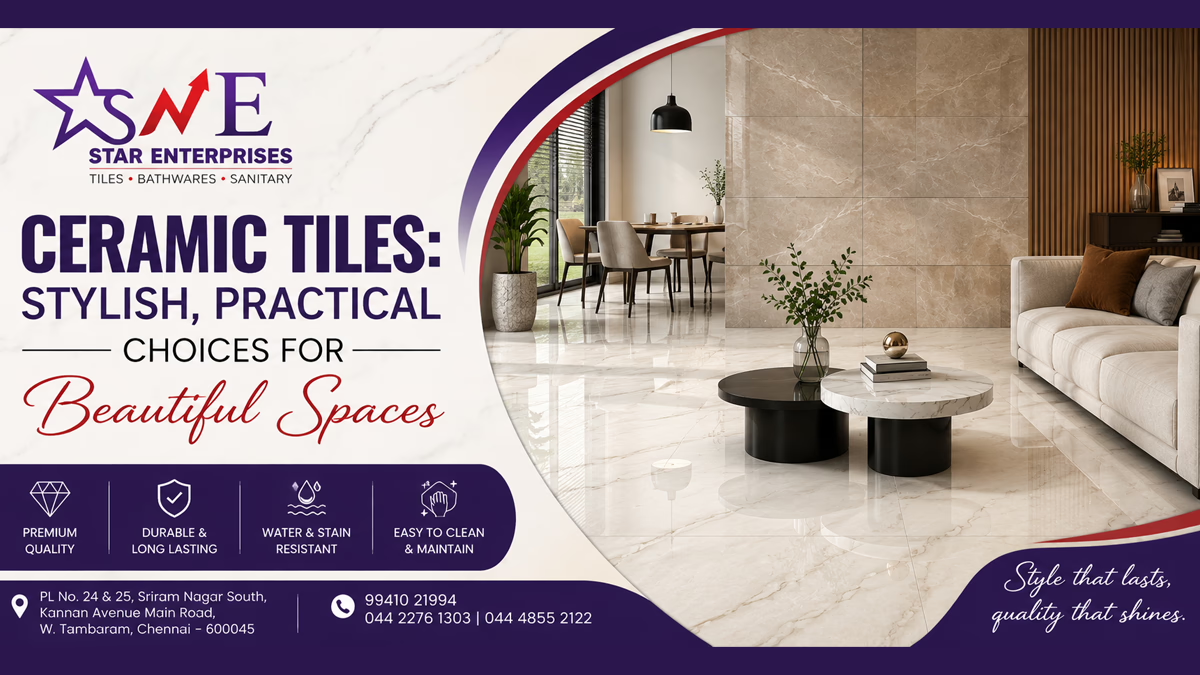
Introduction
Explore ceramic tiles, ceramic floor tiles, ceramic flooring tiles, designs, finishes, sizes, room-by-room selection advice and local showroom guidance for Tambaram.
Ceramic Tiles: A Practical Guide to Beautiful, Durable Spaces
Ceramic tiles are one of the most versatile choices for modern Indian homes, apartments, renovations and selected commercial spaces. They combine visual variety with practical day-to-day performance, making them useful when you want a finished surface that looks considered without making the room difficult to maintain. For homeowners in and around Tambaram, the most important decision is not simply choosing a tile that looks attractive in a photograph. It is choosing the right ceramic tile for the room, surface, traffic level, moisture exposure, finish, size, colour, installation method and overall design.
At Star Enterprises in West Tambaram, customers can explore tile options in a real showroom environment instead of relying only on screen colours or catalogue descriptions. That matters because ceramic tiles can look different under natural daylight, showroom lighting and the lighting conditions of the finished room. A physical selection process also makes it easier to compare finishes, patterns, sizes and coordinating wall and floor surfaces before making a project decision.
This guide is designed as a complete ceramic tiles resource for homeowners, builders, contractors, architects, interior designers and renovation customers. It explains what ceramic tiles are, where they work best, how to compare finishes, how to choose sizes and designs, how ceramic floor tiles differ from other tile categories, how to think about price and quantity, and how to turn online research into a confident showroom visit.
What Are Ceramic Tiles?
Ceramic tiles are manufactured from clay and other mineral materials that are shaped and fired at high temperature. Depending on the manufacturing process, glaze, body composition and intended use, ceramic tiles can provide a wide range of colours, textures, patterns and surface finishes. Glazing can add visual depth and create surfaces that are easier to clean, while different bodies and firing processes influence strength, water absorption and suitable applications.
The word ceramic covers a broad family of tile products, so it should not be treated as a single performance specification. A wall tile designed for a low-contact interior surface is not automatically equivalent to a floor tile designed for regular foot traffic. The correct choice depends on the product’s technical specification and the environment where it will be installed.
For buyers, this distinction is important. A good ceramic tile selection process begins with the question: where will this tile be used? From there, consider whether the surface is a floor or wall, dry or wet, private or high-traffic, interior or exterior, and whether slip resistance or special maintenance requirements apply.
Ceramic tiles are especially attractive when design flexibility matters. They can reproduce the appearance of stone, marble, wood, concrete and decorative patterns, allowing a room to achieve a particular visual direction without requiring a single natural material throughout the project.
Why Choose Ceramic Tiles?
Ceramic tiles can offer an excellent balance between appearance, cleanability and design choice. Their broad range of colours and patterns makes them useful for coordinated interiors, while glazed surfaces can simplify routine cleaning in suitable applications. They are also available in many formats, from smaller decorative pieces to larger contemporary layouts.
Another advantage is design consistency. A homeowner can often build a visual language across a project by selecting complementary ceramic floor tiles, wall tiles, bathroom surfaces and kitchen finishes. A calm neutral floor can provide a foundation for stronger furniture or wall colours, while patterned ceramic tiles can become a feature surface.
The practical benefits depend on selecting the correct product. Ceramic should not be presented as a universal answer for every surface. Areas exposed to heavy traffic, constant water, exterior weather, commercial loads or specific slip requirements may call for another tile category or a product with a particular technical rating. This is why showroom guidance and product specifications are valuable.
For many residential interiors, ceramic tiles can be an attractive option when the buyer wants a surface that feels finished, coordinated and easy to live with. The best result comes from matching the tile to the room rather than selecting purely by colour or trend.
Ceramic Floor Tiles for Modern Homes
Ceramic floor tiles can create a clean visual base for living rooms, bedrooms, selected kitchens and other suitable interior areas. The right floor tile can make a room feel larger, brighter, warmer or more contemporary depending on its size, colour, pattern and surface finish.
For living rooms, marble-look ceramic floor tiles and soft stone-inspired designs can create an elegant foundation. Wood-look ceramic flooring can add warmth while keeping the visual rhythm of a tiled surface. Matte finishes can provide a softer appearance, while glossy finishes can reflect light and create a more polished effect.
In bedrooms, homeowners often prefer calmer patterns and colours. Large, visually quiet tiles can reduce the number of grout lines and create a more continuous appearance. Neutral beige, warm grey, soft ivory and subtle stone patterns are versatile choices because they work with a wide range of furniture.
Kitchen flooring requires additional attention to cleaning, staining, traffic and slip considerations. A tile that looks beautiful but is difficult to maintain may become frustrating in a busy kitchen. Bathroom flooring requires even greater care because moisture and water can change the slip characteristics of a surface. Always select products according to their intended use and technical suitability.
If you are comparing ceramic floor tiles with other flooring categories, use the project’s requirements as the starting point. Ceramic may be ideal for one room while vitrified or porcelain tiles may be better suited to another.
Ceramic Tiles for Living Rooms
The living room is often the visual centre of a home, so floor selection has both practical and emotional importance. Ceramic floor tiles can support a wide variety of interior styles, from minimal and contemporary to classic, warm and decorative.
For a spacious living room, larger formats can create a calmer visual field. Marble finish floor tiles are popular because subtle veining can add sophistication without requiring a highly decorative pattern. If the room has strong furniture or artwork, a quieter floor can help prevent the interior from feeling visually crowded.
Wood-look ceramic tiles are another useful design direction. They can bring the visual warmth of timber into a tiled floor while maintaining the clean geometry associated with tile. Stone finish and concrete finish tiles can work well in modern, industrial or minimalist interiors.
Colour should be chosen with the whole room in mind. Light tiles can help a room feel open and bright, but they should be evaluated for cleaning and lifestyle. Dark tiles can create depth and drama, but they may show dust, footprints or water marks more clearly. Mid-tone colours can offer a practical balance.
Before buying, take samples into the room when possible. Compare them under morning light, afternoon light and artificial lighting. A colour that looks perfect under showroom lights may appear warmer or cooler at home.
Ceramic Tiles for Bedrooms
Bedrooms benefit from a floor that feels comfortable visually and works quietly with the rest of the interior. Ceramic bedroom flooring can be used to create a simple, elegant foundation for beds, wardrobes, curtains and accent walls.
Soft neutrals are usually easy to coordinate. Warm beige and cream can create a welcoming atmosphere, while light grey can support contemporary furniture. Wood-look ceramic tiles can create a warmer bedroom character, especially when combined with natural textures.
Pattern should be considered carefully. Strong geometric designs can become a focal point, but they may compete with patterned bedding, curtains or wall treatments. If the bedroom already contains many visual elements, a restrained ceramic tile can provide balance.
Tile size also affects perception. Larger tiles can make a room appear more continuous, while smaller formats can introduce more visual rhythm. Neither is automatically better; the room dimensions, furniture arrangement and installation plan should guide the choice.
A bedroom is also a good place to think about future flexibility. If you expect to change wall colours or furniture over time, a versatile floor colour may give you more freedom than a highly specific trend-led design.
Ceramic Tiles for Kitchens
Kitchen surfaces must support everyday activity. Ceramic tiles can be considered for suitable kitchen floors and walls, but the correct product and finish should always be selected for the exact application.
For kitchen floors, look for products that are appropriate for regular foot traffic and easy routine maintenance. The surface should be evaluated for slip characteristics, especially in areas where water, oil or food spills can occur. Matte or textured surfaces may offer a different practical experience from highly polished finishes.
For kitchen walls and backsplashes, glazed ceramic wall tiles can provide strong design flexibility. A backsplash can become a focal point through colour, pattern, texture or a carefully chosen tile layout. Subway-inspired arrangements, geometric patterns and stone-look designs can all create different visual effects.
Kitchen design is also an opportunity to coordinate materials. A neutral floor can be paired with a patterned backsplash, while a bold floor may work best with a simpler wall surface. The goal is not to make every surface identical but to create a coherent relationship between them.
When selecting ceramic tiles for a kitchen, consider cleaning frequency, grout colour, cabinet colour, countertop material, lighting and the amount of visual activity in the room.
Ceramic Tiles for Bathrooms
Bathrooms require a careful distinction between wall and floor applications. Ceramic wall tiles can provide excellent design possibilities, while bathroom floors need products appropriate for wet conditions and the intended slip requirements.
Wall tiles can create a clean, spa-like atmosphere through large light surfaces, or they can introduce personality with patterned decorative areas. Marble-look, stone-look and subtle textured ceramic tiles can make a bathroom feel more sophisticated without overwhelming a small room.
For floors, do not choose a product solely because it is attractive. Check the manufacturer’s application guidance and technical specifications. Anti skid bathroom tiles and other slip-conscious surfaces may be more appropriate where water exposure is frequent.
Small bathrooms benefit from thoughtful visual planning. Light colours can help create an airy feeling, while a feature wall can add depth. Large-format tiles may reduce visual interruptions, but the final choice should account for the room dimensions, drainage slopes, cutting requirements and installation skill.
You can also use colour to define zones. A slightly darker floor with lighter walls can visually anchor the bathroom, while coordinated tones can create a more seamless look.
Ceramic Wall Tiles and Interior Design
Ceramic wall tiles are especially useful when design is the priority. Walls provide an opportunity to introduce texture, colour and pattern without exposing the surface to the same type of foot traffic as a floor.
A feature wall can be created behind a television unit, kitchen counter, wash basin or bathroom vanity. Decorative ceramic tiles can also be used as borders, niches or vertical accents. The key is to use design deliberately. A room rarely needs every wall to compete for attention.
For a modern interior, consider clean geometry, restrained colour and subtle textures. For a more traditional look, patterned surfaces and warm colours can create character. For a luxury-inspired interior, marble-effect tiles with carefully controlled veining can create an elegant appearance.
Tile orientation also matters. Vertical layouts can visually emphasize height, while horizontal arrangements can make a wall feel wider. Large-format surfaces can reduce grout lines and produce a calmer visual effect.
When coordinating ceramic wall tiles with ceramic floor tiles, decide whether the relationship should be matching, tonal or contrasting. Tonal coordination is often a safe way to create a connected interior without making every surface look identical.
Popular Ceramic Tile Designs and Finishes
Ceramic tiles are available in a wide design vocabulary. Marble finish tiles remain popular because they can bring a refined appearance to floors and walls. Stone finish tiles can provide a more natural and grounded character. Wooden and wood-look tiles are useful when warmth is desired. Concrete finish tiles can support contemporary and industrial interiors.
Matte finish tiles have a softer visual character and can reduce the sharp reflections associated with polished surfaces. Glossy tiles can reflect light and make colours or patterns appear more vivid. The best finish depends on the room, lighting, maintenance expectations and intended use.
Rustic ceramic tiles can introduce texture and visual depth. Patterned tiles can define a small feature area. Designer tiles can be used selectively to create a focal point rather than covering an entire room.
When considering luxury floor tiles, remember that luxury is not simply a high price or glossy finish. A well-proportioned design, good colour coordination, suitable scale and professional installation can produce a more sophisticated result than an expensive tile used without a design plan.
How to Choose the Right Ceramic Tile Size
Tile size changes the visual rhythm of a room. Common formats include 300×300, 300×600, 600×600, 600×1200 and other sizes depending on the collection. Large-format tiles can make a space feel more continuous because they reduce the number of grout lines, while smaller tiles can add pattern and flexibility.
The right size depends on room dimensions, layout, drainage, furniture, cutting requirements and the specific product collection. A large tile is not automatically better for a small room, and a small room does not automatically require small tiles.
For a living room, larger formats may provide a clean contemporary appearance. For a bathroom, size should be considered together with floor slope and drainage. For decorative walls, smaller formats can be useful when the design itself is the focus.
Always confirm actual tile dimensions, nominal dimensions and recommended joint width with the supplier or manufacturer. The installation pattern should be planned before purchase, especially for large-format tiles or rooms with many corners.
Matte vs Glossy Ceramic Tiles
Matte and glossy surfaces create different visual and practical experiences. Glossy tiles reflect more light and can make colours appear brighter. They can work well on selected walls and in interiors where a polished appearance is desired.
Matte tiles have a softer visual effect and can be useful when you want a more understated finish. They are often chosen for modern interiors because they reduce glare and can complement natural-looking materials such as stone and wood.
The decision should be based on application, not fashion. A glossy surface may be easier to wipe in some wall applications, while a matte or textured floor may be more appropriate where slip considerations matter. However, surface performance varies by product, so manufacturer specifications should take priority over general assumptions.
Think about maintenance as well. Highly reflective surfaces can make water marks or fingerprints more noticeable. Textured surfaces may require more attention when cleaning. A good showroom comparison helps you understand these differences before purchase.
Ceramic Tiles vs Vitrified Tiles
Ceramic and vitrified tiles are different categories with different manufacturing characteristics and typical applications. Vitrified tiles are generally known for low water absorption and are widely used for flooring. Ceramic tiles offer broad design flexibility and are commonly used for walls and selected flooring applications.
The correct comparison is not simply which category is better. Instead, ask which product is better for the specific room. A living room with heavy family traffic may lead you toward a flooring product with appropriate durability and water absorption characteristics. A decorative bathroom wall may prioritise colour, pattern and cleanability.
If your project includes several rooms, you may use more than one tile category. For example, a home could combine ceramic wall tiles with vitrified floor tiles, or use different surfaces for living areas, bathrooms and outdoor spaces.
Explore the technical specifications and intended application of each product before making a final decision. If you want to compare broader flooring options, see Star Enterprises’ vitrified tiles collection and porcelain tiles pages.
Ceramic Tiles vs Porcelain Tiles
Porcelain tiles are a type of ceramic tile with specific manufacturing and performance characteristics, commonly associated with very low water absorption and dense tile bodies. Ceramic tiles as a broader category include many products intended for walls and floors.
The practical difference for a buyer is application. If a surface faces demanding moisture exposure, outdoor conditions or heavier use, the product’s technical specifications become especially important. Porcelain may be a strong candidate for such applications, but the individual product still needs to be checked.
For decorative interior walls, ceramic tiles can provide an enormous range of design choices. For floors, both ceramic and porcelain products may be available depending on the required performance.
Instead of deciding from the category name alone, compare water absorption, strength, slip characteristics, surface finish, intended application, size, maintenance and installation requirements.
Ceramic Tile Colours for Modern Interiors
Colour affects the mood and perceived scale of a room. White and off-white ceramic tiles can create a bright, open feeling. Beige and warm neutrals can make a space feel comfortable and inviting. Grey tones can create a contemporary base, while darker colours can add depth and drama.
The safest colour is not always the lightest colour. A practical choice considers natural light, artificial lighting, furniture, wall colour, dust visibility, cleaning habits and the size of the room.
For small bathrooms, a light wall with a slightly darker floor can create definition without making the room feel heavy. In living rooms, warm neutral marble-look tiles can support both modern and traditional furniture. Kitchens often benefit from colours that work with cabinets and countertops rather than competing with them.
Always inspect samples in the actual lighting conditions of the project. Colour matching from a phone screen is unreliable because screens, brightness and camera processing can alter the appearance.
Ceramic Tiles for Different Home Styles
Modern minimalist homes often benefit from large-format tiles, neutral colours and restrained patterns. Contemporary interiors may combine concrete-look floors with wood-look accents or textured walls. Classic homes can use marble-inspired designs, decorative patterns and warmer tones.
Luxury interiors often use fewer competing materials. A carefully selected marble-look ceramic floor can become the foundation, while a feature wall or subtle textured surface adds depth. Rustic homes may use stone and wood effects to create a more natural atmosphere.
The most important design principle is consistency. Choose a primary floor direction, then select supporting wall and accent tiles. Repeating one colour or undertone across surfaces can make a home feel professionally designed even when the tile patterns differ.
Avoid selecting every room independently without considering the overall house. A strong project usually has a common visual language, with each room receiving its own variation.
Ceramic Tiles for Renovation Projects
Renovation projects often have constraints that new construction does not. Existing floor levels, door clearances, drainage slopes, wall conditions and furniture dimensions can affect tile selection.
Before buying, inspect the existing surface and determine whether it is suitable for the planned installation method. Measure each room carefully and account for cuts, breakage, pattern matching and future replacement requirements.
Renovation customers also benefit from keeping a record of the exact tile name, size, shade and batch information where available. If a repair is needed later, this information can make replacement easier.
If you are renovating a bathroom, kitchen or living room, compare the new tile with existing doors, cabinetry, sanitaryware and wall finishes. A beautiful tile can still produce a poor result if its colour or thickness conflicts with adjacent surfaces.
Ceramic Tiles Price: What Determines Cost?
Ceramic tile price varies by product, size, finish, design, brand, technical specification, availability and quantity. It is better to treat price as a project variable rather than relying on a single generic rate.
A basic ceramic tile may be priced differently from a designer collection, large-format product, textured surface or premium marble-look series. Installation materials, adhesive or mortar, grout, wastage, cutting and labour can also affect the total project cost.
When comparing prices, compare like with like. Check the tile size, box coverage, number of pieces per box, surface finish and intended application. A lower-looking per-box price may not represent a lower installed cost if the box covers a different area or creates greater wastage.
Star Enterprises can provide current product availability and pricing for the collection you are considering. Because tile collections and market prices change, the most useful approach is to shortlist the design and technical requirements first, then request a current quotation.
How Much Ceramic Tile Do You Need?
Quantity planning should be based on measured floor or wall area, tile dimensions, layout and a reasonable allowance for cutting and breakage. The allowance depends on the complexity of the room and pattern.
Simple rectangular rooms with a straightforward layout may have lower wastage. Rooms with many corners, columns, door openings, diagonal layouts or strong pattern matching can require more material.
Do not calculate only the exact net area and order that amount. A small reserve can be useful for future repairs, especially when a collection may later be discontinued. However, excess stock also ties up money and storage space, so planning should be deliberate.
Before placing a large order, confirm box coverage and the supplier’s recommended ordering process. If you are buying tiles for multiple rooms, keep each room’s calculation clear so that the correct product, shade and quantity are allocated to the correct area.
Ceramic Tile Installation: Why It Matters
A good tile can look disappointing when installation is poor. Surface preparation, level, alignment, adhesive selection, joint width, cutting, curing and grout application all influence the finished appearance.
Large-format tiles require particular attention because uneven substrates can make alignment difficult. Wet areas require correct slope and drainage. Corners, niches and transitions should be planned before installation begins.
The tile itself is only one part of the finished floor or wall. Ask your installer how the surface will be prepared and which installation materials are suitable for the selected tile and substrate.
If the design uses a strong pattern, calculate the layout before fixing the first tile. A small planning mistake can become highly visible once repeated across the room.
How to Maintain Ceramic Tiles
Routine maintenance is generally straightforward when the tile and cleaning method are matched correctly. Sweep or vacuum loose dirt regularly, then clean the surface with a suitable cleaner. Avoid aggressive chemicals unless the manufacturer confirms that they are safe for the specific tile and grout.
Grout can require more attention than the tile itself because its texture and colour can hold dirt. Regular cleaning helps maintain the overall appearance.
Glossy surfaces may show water marks or footprints more readily, while textured surfaces can collect more residue. The right cleaning routine depends on the product finish.
For kitchens and bathrooms, clean spills promptly. Do not allow standing water to remain where it can create avoidable maintenance issues. Follow manufacturer guidance whenever a specialised surface or finish is involved.
How to Buy Ceramic Tiles at a Showroom
Online research is useful for building a shortlist, but a showroom visit can answer questions that a screen cannot. You can compare tile scale, texture, colour, gloss level and combinations in person.
Start by telling the showroom team the room, approximate area, preferred style and budget direction. If possible, bring photos of the room, cabinet colours, countertop samples or paint references.
Ask to compare at least two or three alternatives. Look at the tile under different angles and lighting. Check the edges, surface texture and visual consistency. For floor tiles, ask about intended application and technical suitability.
A good purchase decision should balance appearance, performance, availability and total installed cost. The showroom should help you narrow choices rather than simply show you the largest possible number of products.
Why Visit Star Enterprises in West Tambaram?
Star Enterprises is positioned as a local tile and bathware destination for customers researching home and project surfaces in and around West Tambaram. A physical showroom gives buyers an opportunity to move from online inspiration to real product comparison.
The showroom journey can begin with the room: living room, bedroom, kitchen, bathroom, elevation or another project area. From there, compare ceramic tiles with relevant alternatives such as vitrified, porcelain and other tile categories.
The goal is not to push a particular tile simply because it is popular. The right product should fit the application, design direction and project requirements. This is especially important when a customer is comparing ceramic floor tiles, ceramic wall tiles, modern floor tile designs, matte finishes, glossy finishes or large-format options.
You can also connect the ceramic selection with the wider Star Enterprises collection through the site’s relevant product and solution pages. For example, customers planning a complete bathroom can explore bathroom tiles, bathroom floor tiles, bathroom wall tiles and bathroom solutions.
Ceramic Tiles in Tambaram: Local Buying Advantage
Customers searching for ceramic tiles in Tambaram often need more than a product description. They need a place where they can see samples, discuss suitability, compare options and move toward a practical purchase decision.
West Tambaram is particularly relevant for customers searching for a local tile showroom, ceramic floor tiles, ceramic flooring tiles and related home-finishing products. Local showroom intent is stronger when the page gives useful information about products and the actual store rather than simply repeating a location name.
For nearby customers, terms such as ceramic tiles Tambaram, ceramic floor tiles Tambaram and tile showroom Tambaram describe different parts of the same purchase journey. The page should serve those needs naturally through useful sections, product guidance, showroom information and clear navigation.
Avoid creating thin pages for every nearby locality. A strong local strategy uses a genuine business location, consistent business information, useful product content, directions, real photographs and customer experience. That approach supports both users and search engines better than producing dozens of nearly identical doorway pages.
Choosing Ceramic Tiles by Room: Quick Guide
For living rooms, prioritise appearance, scale, maintenance and suitability for household traffic. Marble-look, stone-look, wood-look and neutral modern ceramic floor tiles can all work depending on the interior.
For bedrooms, focus on comfort, calm colours and coordination with furniture. Wood-look and subtle stone-look designs can create warmth.
For kitchens, consider cleaning, traffic and slip characteristics for floors. For walls and backsplashes, design flexibility is a major advantage.
For bathrooms, separate wall and floor decisions. Choose bathroom floor tiles according to wet-area requirements and choose wall tiles according to design, cleaning and installation needs.
For feature walls, decorative ceramic tiles can create a focal point without requiring the entire room to be highly patterned.
For outdoor areas, do not assume an indoor ceramic product is suitable. Exterior exposure, weather and slip requirements can change the appropriate product category.
Ceramic Tile Buying Checklist
Before visiting a ceramic tiles showroom, write down the room name, approximate dimensions, preferred colour family, preferred finish and broad budget. Take photographs of the space and nearby materials.
At the showroom, compare tile size, finish, texture, pattern, shade and application suitability. Ask about box coverage, availability, current collection status, recommended installation method and maintenance.
Before ordering, confirm the exact product code or collection name, size, shade, quantity and delivery or pickup arrangements. If the project has multiple rooms, separate each room’s requirements.
Finally, keep spare tiles where practical and store product information for future reference. This small step can be valuable when a repair is needed several years later.
Frequently Asked Questions About Ceramic Tiles
The following questions address common buyer concerns and are written to support real decision-making rather than simply repeat keywords.
What are ceramic tiles used for?
Ceramic tiles are used for a wide range of interior wall and floor applications, depending on the individual product’s technical specifications and intended use. They are commonly considered for living rooms, bedrooms, kitchens, bathrooms, backsplashes, feature walls and other suitable interior surfaces.
Are ceramic tiles good for flooring?
Ceramic tiles can be suitable for flooring when the specific product is designed and rated for floor use. Do not assume that every ceramic wall tile is suitable for a floor. Check application guidance, traffic requirements and slip characteristics before purchase.
Which is better: ceramic or vitrified tiles?
Neither category is automatically better for every project. Vitrified tiles are widely used for flooring because of their dense body and low water absorption, while ceramic tiles offer broad design flexibility and many wall and selected floor applications. Choose according to the room and technical requirements.
Are ceramic tiles suitable for bathrooms?
Ceramic tiles can be suitable for bathroom walls and selected floor applications, provided the individual product is intended for the conditions. Bathroom floors need particular attention to slip characteristics, water exposure and drainage.
Are matte ceramic tiles better than glossy tiles?
They serve different design and practical purposes. Matte surfaces provide a softer look and can be useful for floors, while glossy surfaces create more reflection and can work well on selected walls. The correct choice depends on application, maintenance and the specific product.
What ceramic tile size is best for a home?
There is no single best size. Larger formats can create a more continuous look, while smaller formats can add pattern and flexibility. Room dimensions, layout, drainage and installation conditions should determine the final size.
How do I choose ceramic tile colour?
Start with the room’s lighting, furniture, wall colour and overall design direction. Compare physical samples in the actual space rather than relying only on screen images.
How much do ceramic tiles cost?
Pricing varies by collection, size, finish, design, brand, technical specification and availability. Installation, grout, adhesive and wastage can also affect the total project cost. Ask Star Enterprises for current pricing for the exact products you are considering.
Where can I buy ceramic tiles in Tambaram?
Customers looking for ceramic tiles in Tambaram can visit Star Enterprises in West Tambaram to compare suitable tile collections and discuss their project requirements.
Where can I find ceramic floor tiles near me?
Use the showroom location, directions and local business information on Star Enterprises’ website and Google Business Profile to find the store nearest to your search location. Search intent such as ceramic floor tiles near me is best supported by a genuine local business presence rather than artificial location pages.
Can ceramic tiles be used for kitchen walls?
Yes, suitable ceramic wall tiles are commonly used for kitchen backsplashes and other wall areas. Choose a product appropriate for the application and consider cleaning, grout and coordination with the countertop and cabinets.
Can ceramic tiles be used for living room floors?
Yes, selected ceramic floor tiles can be used in living rooms when the product is intended for floor use and appropriate for the expected traffic. Compare the tile’s technical specification before purchase.
How do I calculate ceramic tile quantity?
Measure the area, determine the tile layout and box coverage, then include an appropriate allowance for cuts and breakage. Complex rooms and patterned layouts generally need more planning than simple rectangular spaces.
How should ceramic tiles be maintained?
Regular sweeping or vacuuming followed by suitable cleaning is usually sufficient for many ceramic surfaces. Follow the manufacturer’s recommendations and choose cleaning products appropriate for the tile and grout.
Can I compare ceramic tiles with porcelain and vitrified tiles?
Yes. Comparing categories by application, water absorption, durability, finish, maintenance and design is more useful than simply comparing labels. Star Enterprises can help you evaluate the options for your specific room.
Final Step: Turn Research Into a Showroom Decision
The best ceramic tile is not the one with the most impressive description. It is the one that fits the room, the people using it, the maintenance routine, the design, the installation conditions and the project budget.
If you are researching ceramic tiles in Tambaram, use this guide to build a shortlist, then visit Star Enterprises in West Tambaram to compare real products. Bring room photographs, approximate measurements and your preferred design direction. Ask practical questions about application, finish, size, availability and installation.
You can continue exploring the wider Star Enterprises collection through the tiles collection, ceramic floor tiles, wall tiles, vitrified tiles, full body tiles, floor tiles and showroom pages.
For customers ready to move from research to purchase, the most useful next step is a showroom comparison. See the products in person, compare alternatives, confirm suitability and choose a tile that you will be happy to live with for years.
Ceramic Tile Glossary
A few terms are useful when discussing ceramic tiles with a showroom or installer. Body refers to the main tile material beneath the surface. Glaze is the finished surface layer used on many ceramic tiles to provide colour, pattern and surface characteristics. Finish describes the surface appearance, such as matte, glossy or textured. Nominal size is the marketed tile size, while actual dimensions can differ slightly. Shade refers to the colour variation or batch designation. Lot or batch information can matter when ordering replacement material. Water absorption is a technical characteristic that helps indicate how a tile behaves in moisture-related environments. Slip resistance is a key consideration for floors where water or contaminants may be present. Grout is the joint-filling material between tiles, while adhesive or mortar is used to fix the tile to the substrate. These terms help buyers ask clearer questions and compare products more accurately.
Visit Star Enterprises for Ceramic Tiles in Tambaram
Ready to compare ceramic tiles in person? Visit the Star Enterprises showroom in West Tambaram and discuss your room, design and project requirements with the team.
Visit the showroom · Contact Star Enterprises · Tiles showroom in Tambaram
Ceramic Tiles: A Practical Guide to Beautiful, Durable Spaces
Ceramic tiles are one of the most versatile choices for modern Indian homes, apartments, renovations and selected commercial spaces. They combine visual variety with practical day-to-day performance, making them useful when you want a finished surface that looks considered without making the room difficult to maintain. For homeowners in and around Tambaram, the most important decision is not simply choosing a tile that looks attractive in a photograph. It is choosing the right ceramic tile for the room, surface, traffic level, moisture exposure, finish, size, colour, installation method and overall design.
At Star Enterprises in West Tambaram, customers can explore tile options in a real showroom environment instead of relying only on screen colours or catalogue descriptions. That matters because ceramic tiles can look different under natural daylight, showroom lighting and the lighting conditions of the finished room. A physical selection process also makes it easier to compare finishes, patterns, sizes and coordinating wall and floor surfaces before making a project decision.
This guide is designed as a complete ceramic tiles resource for homeowners, builders, contractors, architects, interior designers and renovation customers. It explains what ceramic tiles are, where they work best, how to compare finishes, how to choose sizes and designs, how ceramic floor tiles differ from other tile categories, how to think about price and quantity, and how to turn online research into a confident showroom visit.
What Are Ceramic Tiles?
Ceramic tiles are manufactured from clay and other mineral materials that are shaped and fired at high temperature. Depending on the manufacturing process, glaze, body composition and intended use, ceramic tiles can provide a wide range of colours, textures, patterns and surface finishes. Glazing can add visual depth and create surfaces that are easier to clean, while different bodies and firing processes influence strength, water absorption and suitable applications.
The word ceramic covers a broad family of tile products, so it should not be treated as a single performance specification. A wall tile designed for a low-contact interior surface is not automatically equivalent to a floor tile designed for regular foot traffic. The correct choice depends on the product’s technical specification and the environment where it will be installed.
For buyers, this distinction is important. A good ceramic tile selection process begins with the question: where will this tile be used? From there, consider whether the surface is a floor or wall, dry or wet, private or high-traffic, interior or exterior, and whether slip resistance or special maintenance requirements apply.
Ceramic tiles are especially attractive when design flexibility matters. They can reproduce the appearance of stone, marble, wood, concrete and decorative patterns, allowing a room to achieve a particular visual direction without requiring a single natural material throughout the project.
Why Choose Ceramic Tiles?
Ceramic tiles can offer an excellent balance between appearance, cleanability and design choice. Their broad range of colours and patterns makes them useful for coordinated interiors, while glazed surfaces can simplify routine cleaning in suitable applications. They are also available in many formats, from smaller decorative pieces to larger contemporary layouts.
Another advantage is design consistency. A homeowner can often build a visual language across a project by selecting complementary ceramic floor tiles, wall tiles, bathroom surfaces and kitchen finishes. A calm neutral floor can provide a foundation for stronger furniture or wall colours, while patterned ceramic tiles can become a feature surface.
The practical benefits depend on selecting the correct product. Ceramic should not be presented as a universal answer for every surface. Areas exposed to heavy traffic, constant water, exterior weather, commercial loads or specific slip requirements may call for another tile category or a product with a particular technical rating. This is why showroom guidance and product specifications are valuable.
For many residential interiors, ceramic tiles can be an attractive option when the buyer wants a surface that feels finished, coordinated and easy to live with. The best result comes from matching the tile to the room rather than selecting purely by colour or trend.
Ceramic Floor Tiles for Modern Homes
Ceramic floor tiles can create a clean visual base for living rooms, bedrooms, selected kitchens and other suitable interior areas. The right floor tile can make a room feel larger, brighter, warmer or more contemporary depending on its size, colour, pattern and surface finish.
For living rooms, marble-look ceramic floor tiles and soft stone-inspired designs can create an elegant foundation. Wood-look ceramic flooring can add warmth while keeping the visual rhythm of a tiled surface. Matte finishes can provide a softer appearance, while glossy finishes can reflect light and create a more polished effect.
In bedrooms, homeowners often prefer calmer patterns and colours. Large, visually quiet tiles can reduce the number of grout lines and create a more continuous appearance. Neutral beige, warm grey, soft ivory and subtle stone patterns are versatile choices because they work with a wide range of furniture.
Kitchen flooring requires additional attention to cleaning, staining, traffic and slip considerations. A tile that looks beautiful but is difficult to maintain may become frustrating in a busy kitchen. Bathroom flooring requires even greater care because moisture and water can change the slip characteristics of a surface. Always select products according to their intended use and technical suitability.
If you are comparing ceramic floor tiles with other flooring categories, use the project’s requirements as the starting point. Ceramic may be ideal for one room while vitrified or porcelain tiles may be better suited to another.
Ceramic Tiles for Living Rooms
The living room is often the visual centre of a home, so floor selection has both practical and emotional importance. Ceramic floor tiles can support a wide variety of interior styles, from minimal and contemporary to classic, warm and decorative.
For a spacious living room, larger formats can create a calmer visual field. Marble finish floor tiles are popular because subtle veining can add sophistication without requiring a highly decorative pattern. If the room has strong furniture or artwork, a quieter floor can help prevent the interior from feeling visually crowded.
Wood-look ceramic tiles are another useful design direction. They can bring the visual warmth of timber into a tiled floor while maintaining the clean geometry associated with tile. Stone finish and concrete finish tiles can work well in modern, industrial or minimalist interiors.
Colour should be chosen with the whole room in mind. Light tiles can help a room feel open and bright, but they should be evaluated for cleaning and lifestyle. Dark tiles can create depth and drama, but they may show dust, footprints or water marks more clearly. Mid-tone colours can offer a practical balance.
Before buying, take samples into the room when possible. Compare them under morning light, afternoon light and artificial lighting. A colour that looks perfect under showroom lights may appear warmer or cooler at home.
Visit Star Enterprises for Ceramic Tiles in Tambaram
Ready to compare ceramic tiles in person? Visit the Star Enterprises showroom in West Tambaram and discuss your room, design and project requirements with the team.
Visit the showroom · Contact Star Enterprises · Tiles showroom in Tambaram