
Introduction
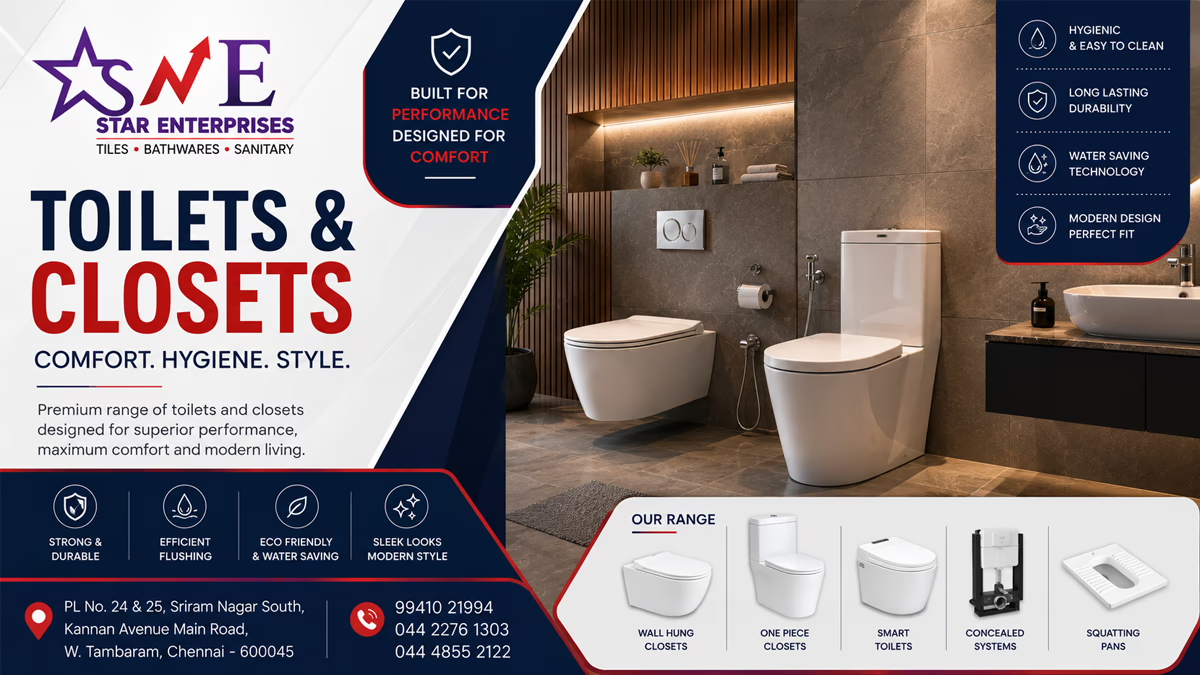
Complete guide to one-piece, two-piece, wall-hung and floor-mounted toilets, including dimensions, flush systems, installation, maintenance, pricing and buying guidance in Tambaram.
Toilets & Closets for Modern, Comfortable Bathrooms
Choosing the right toilet is one of the most important decisions in bathroom planning. A toilet must fit the room, work with the drainage and water supply, provide comfortable use and coordinate with the rest of the bathroom. At the same time, its shape, height, finish and mounting style contribute strongly to the appearance of the room.
This complete guide covers toilets and closets for apartments, independent homes, villas, guest bathrooms, master bathrooms, rental properties and commercial spaces. It explains one-piece and two-piece toilets, wall-hung and floor-mounted models, flush systems, dimensions, installation, cleaning, maintenance, renovation and price considerations.
For customers searching for toilets in Tambaram, a showroom visit can be especially useful because the physical proportions of a toilet are difficult to judge from a photograph. Take bathroom measurements and plumbing information with you so the shortlist can be checked against the actual project.
Before finalising the product, compare the exact model dimensions with the bathroom drawing. Small differences in projection or height can matter in compact spaces.
The final decision should balance comfort, compatibility, appearance, maintenance and total project cost. A good toilet is one that works properly in the real bathroom and remains practical over time.
What Are Toilets & Closets?
In everyday Indian bathroom shopping, toilet and closet are commonly used terms for the sanitary fixture used for toilet functions. The category includes several configurations, including one-piece toilets, two-piece toilets, floor-mounted toilets and wall-hung toilets.
Different models can have very different dimensions and installation requirements even when they look similar. Outlet position, water inlet, seat height, projection and mounting method should therefore be checked before purchase.
Toilets also work as part of a complete bathroom system. The toilet must coordinate with the flush arrangement, plumbing, floor level, tiles and available movement space.
The correct product is the one that fits both the user and the installation conditions.
For installation, the manufacturer’s technical drawing should be treated as the final reference. Product specifications can vary between models that appear almost identical.
Why Toilet Selection Matters
A toilet is used every day, so comfort and reliability should be considered alongside design. An attractive toilet that is too large for the room can make movement difficult. A replacement model with a different outlet position can require unexpected plumbing work.
Good toilet selection starts with measurements. Identify the room width and depth, door swing, drainage position and distance from nearby walls or fixtures.
Once the technical envelope is clear, compare shape, height, seat design, flush arrangement and appearance.
This process reduces installation surprises and makes the final bathroom easier to use.
For renovations, photograph and measure the existing installation before removing it. This creates a useful record for comparing the replacement toilet.
Types of Toilets & Closets
The most common toilet configurations include one-piece, two-piece, wall-hung and floor-mounted models. There are also different bowl shapes, flush arrangements and design profiles.
One-piece models integrate the cistern and bowl into one unit. Two-piece models separate the cistern and bowl. Floor-mounted models sit on the floor, while wall-hung models are supported through a concealed or appropriate wall-mounted system.
No type is automatically best for every bathroom. Selection depends on the room, plumbing, construction, user preference, maintenance expectations and budget.
A showroom comparison is valuable because shape, proportions and seat height are easier to understand physically than from a product photograph.
One-Piece Toilets
A one-piece toilet combines the cistern and bowl into a single continuous product. This can provide a streamlined appearance and reduce the number of visible external joints.
The smooth outer form can also make the toilet visually easy to integrate into contemporary bathrooms. However, the complete unit must fit through the bathroom entrance and have adequate clearance around it.
Check width, depth, height, outlet position, inlet position and seat configuration before ordering.
For renovation projects, compare these dimensions directly with the old toilet to identify any change in footprint.
Before finalising the product, compare the exact model dimensions with the bathroom drawing. Small differences in projection or height can matter in compact spaces.
Two-Piece Toilets
A two-piece toilet has a separate cistern and bowl. It remains a practical and widely used configuration and is available in many sizes and designs.
The separate components can make the product adaptable to different bathroom layouts, but installation requires correct connection between the cistern and bowl.
Compare bowl projection, seat height, cistern dimensions and water inlet position. Also confirm the floor outlet arrangement.
A well-designed two-piece toilet can look contemporary when combined with suitable bathroom tiles and fittings.
For installation, the manufacturer’s technical drawing should be treated as the final reference. Product specifications can vary between models that appear almost identical.
The final decision should balance comfort, compatibility, appearance, maintenance and total project cost. A good toilet is one that works properly in the real bathroom and remains practical over time.
Wall-Hung Toilets
Wall-hung toilets are supported by a concealed frame or suitable mounting structure, leaving the visible floor beneath the bowl open. This can create a clean modern appearance and make floor cleaning easier.
The installation is more dependent on the building system than a standard floor-mounted toilet. The carrier, concealed cistern, wall depth, finished height and service access must all be planned.
Because the plumbing is concealed, product specifications should be provided to the installer before the wall is closed.
Wall-hung toilets are therefore best treated as part of the bathroom construction plan rather than as a late decorative upgrade.
For renovations, photograph and measure the existing installation before removing it. This creates a useful record for comparing the replacement toilet.
Floor-Mounted Toilets
Floor-mounted toilets sit directly on the finished floor and are suitable for many new bathrooms and renovations. They can be relatively straightforward where the existing drainage arrangement already matches the selected model.
Before replacing an existing toilet, measure the outlet position and distance from the finished wall. Also check the water inlet and overall projection.
Floor-mounted designs are available in modern shapes, so choosing this installation method does not require a traditional-looking bathroom.
A showroom comparison is valuable because shape, proportions and seat height are easier to understand physically than from a product photograph.
Western Toilets
Western-style toilets are commonly selected for modern residential bathrooms and are available in several configurations. Comfort depends on bowl shape, seat height, projection and the available space around the product.
When choosing a western toilet, do not judge the product only by its external appearance. Sit-test or physically inspect a showroom model where possible if comfort is a major concern.
Also verify plumbing compatibility, flushing arrangement, seat availability and installation requirements before ordering.
Before finalising the product, compare the exact model dimensions with the bathroom drawing. Small differences in projection or height can matter in compact spaces.
Toilet Bowl Shapes
Toilet bowls can have rounded, elongated, compact or more geometric profiles. The choice affects both appearance and the amount of space occupied.
A rounded bowl can be useful where space is limited, while a longer profile may provide a different comfort and design experience. The exact dimensions vary by model.
Compare the bowl with the room’s clearances, door movement and nearby basin or shower area.
Use the manufacturer’s dimensions as the final reference rather than estimating from a photograph.
For installation, the manufacturer’s technical drawing should be treated as the final reference. Product specifications can vary between models that appear almost identical.
Toilet Seat Selection
The toilet seat is a small component with a major effect on daily comfort. Check that the seat matches the exact toilet model and mounting arrangement.
Features such as soft-close hinges can improve everyday convenience, while removable designs may simplify cleaning. The appropriate feature depends on user preference and budget.
Do not assume that a universal seat will fit every toilet perfectly. Confirm dimensions and compatibility before purchase.
For renovations, photograph and measure the existing installation before removing it. This creates a useful record for comparing the replacement toilet.
The final decision should balance comfort, compatibility, appearance, maintenance and total project cost. A good toilet is one that works properly in the real bathroom and remains practical over time.
Toilet Height and Comfort
Toilet height influences how easily users can sit down and stand up. Standard and comfort-height options can suit different users and bathroom requirements.
The ideal height depends on the household and the product design. Bathrooms used by children, older adults or people with specific mobility requirements may need additional planning.
For accessibility-focused projects, follow relevant professional guidance rather than relying on a generic height recommendation.
A showroom comparison is valuable because shape, proportions and seat height are easier to understand physically than from a product photograph.
Toilet Flush Systems
Flush systems remove waste from the bowl and maintain hygiene. Different toilets can use different flushing mechanisms and control arrangements.
When comparing models, ask about the flush system, water consumption information, cleaning access and maintenance requirements.
Flush performance depends on the complete toilet and plumbing system. Installation quality and water supply conditions can also influence practical performance.
Before finalising the product, compare the exact model dimensions with the bathroom drawing. Small differences in projection or height can matter in compact spaces.
Dual-Flush Toilets
Dual-flush systems provide different flush options for different usage conditions. They are commonly considered where water management is important.
The actual water consumption depends on the product and the selected flush volume. Check the manufacturer’s specifications rather than assuming every dual-flush toilet uses the same quantity.
The flush control should also be intuitive and accessible to the user.
For installation, the manufacturer’s technical drawing should be treated as the final reference. Product specifications can vary between models that appear almost identical.
Concealed Cistern Toilets
Concealed cistern systems hide the water tank behind the wall or within a suitable structure. They can create a clean appearance and reduce visible hardware.
The wall construction and service access must be planned carefully. The access mechanism should allow maintenance according to the system design.
Concealed systems are most appropriate when selected and coordinated before wall finishing. Retrofitting them can involve more construction work than replacing an exposed toilet.
For renovations, photograph and measure the existing installation before removing it. This creates a useful record for comparing the replacement toilet.
Toilet Plumbing Compatibility
Plumbing compatibility is one of the most important factors when replacing a toilet. The waste outlet, water inlet and finished floor level need to match the product.
Measure the distance from the finished wall to the outlet centre where relevant. Record the existing connection arrangement before removing the old toilet.
If the plumbing needs modification, involve a qualified plumber before purchasing the final product. This is especially important for wall-hung and concealed systems.
Before finalising the product, compare the exact model dimensions with the bathroom drawing. Small differences in projection or height can matter in compact spaces.
Toilet Dimensions
Important toilet dimensions include overall width, depth, height, outlet position, inlet location and required installation clearance.
In a small bathroom, depth can be more important than width because excessive projection can interfere with the door or shower area.
Always use the manufacturer’s technical drawing when available. Product dimensions can vary even between toilets with similar visual designs.
For installation, the manufacturer’s technical drawing should be treated as the final reference. Product specifications can vary between models that appear almost identical.
Toilet Space Planning
Space planning should show the toilet, basin, shower, door, windows and other fixed elements together. This makes it easier to identify movement conflicts before installation.
Leave comfortable clearance around the toilet according to the room design and applicable requirements. Avoid positioning accessories where they obstruct the user’s movement.
For a compact bathroom, consider the door swing and shower enclosure first because they can determine how much usable space remains.
For renovations, photograph and measure the existing installation before removing it. This creates a useful record for comparing the replacement toilet.
Toilets for Small Bathrooms
Small bathrooms need compact but comfortable toilet solutions. Shorter projections can preserve movement space, while wall-hung designs may open visible floor area when the construction supports them.
Do not choose the smallest toilet available without considering user comfort. Measure the room and compare actual dimensions.
Pair the toilet with a compact basin and appropriately planned shower area so the entire room remains usable.
A showroom comparison is valuable because shape, proportions and seat height are easier to understand physically than from a product photograph.
Toilets for Master Bathrooms
Master bathrooms often have more space for comfortable clearances and larger sanitaryware. The toilet can be positioned within a dedicated zone for privacy while the basin and shower areas remain visually coordinated.
If two people use the bathroom, consider the overall layout rather than simply increasing product size.
The toilet should still be selected based on exact dimensions, plumbing and cleaning access.
Before finalising the product, compare the exact model dimensions with the bathroom drawing. Small differences in projection or height can matter in compact spaces.
The final decision should balance comfort, compatibility, appearance, maintenance and total project cost. A good toilet is one that works properly in the real bathroom and remains practical over time.
Toilets for Guest Bathrooms
Guest bathrooms should be intuitive and easy to maintain. A straightforward toilet with a comfortable seat and accessible flush control is often sufficient.
Neutral designs can work with many tile styles and make future maintenance easier.
Position the toilet so guests have clear movement between the entrance, basin and shower where applicable.
For installation, the manufacturer’s technical drawing should be treated as the final reference. Product specifications can vary between models that appear almost identical.
Toilets for Apartment Bathrooms
Apartment bathrooms frequently have limited space and fixed plumbing positions. This makes accurate measurement especially important.
Before replacement, identify the drainage position, water inlet, floor level and available projection.
If the apartment uses a shared or unusual plumbing system, consult the responsible maintenance or plumbing professional before making changes.
For renovations, photograph and measure the existing installation before removing it. This creates a useful record for comparing the replacement toilet.
Toilets for Villas
Villa bathrooms can accommodate a broader range of toilet styles and layouts. The master bathroom may use a premium or wall-hung configuration while guest bathrooms use practical floor-mounted models.
Coordinating the visible design across multiple bathrooms can create consistency.
Each room should still be checked individually because plumbing positions and dimensions can vary throughout the property.
A showroom comparison is valuable because shape, proportions and seat height are easier to understand physically than from a product photograph.
Toilets for New Homes
New construction allows the toilet position and plumbing to be planned before finishes are installed. Decide the toilet type early enough to coordinate drainage, water supply and floor levels.
For concealed systems, provide the installer with the exact technical information before constructing the wall.
This early planning can reduce the need to alter finished tiles later.
Before finalising the product, compare the exact model dimensions with the bathroom drawing. Small differences in projection or height can matter in compact spaces.
Toilets for Bathroom Renovation
Renovation is an opportunity to improve the toilet while considering the existing plumbing. A like-for-like replacement may be simple, while changing from floor-mounted to wall-hung can require significant construction.
Measure the existing toilet and photograph the plumbing before removal. This provides useful information for comparing replacement products.
If the floor or wall is being retiled, coordinate the toilet dimensions with the new tile layout.
For installation, the manufacturer’s technical drawing should be treated as the final reference. Product specifications can vary between models that appear almost identical.
The final decision should balance comfort, compatibility, appearance, maintenance and total project cost. A good toilet is one that works properly in the real bathroom and remains practical over time.
Toilets for Rental Properties
Rental properties benefit from practical toilets that are easy to clean and maintain. Common configurations can make future replacements simpler.
Avoid choosing a complicated concealed system solely for appearance if the property does not require it.
Keep the product model and purchase information so replacement components can be identified quickly.
For renovations, photograph and measure the existing installation before removing it. This creates a useful record for comparing the replacement toilet.
Toilets for Commercial Bathrooms
Commercial toilets experience higher use than many residential bathrooms. Selection should therefore consider traffic, cleaning routines, maintenance access and replacement availability.
A standardised product family can simplify servicing across multiple washrooms.
Commercial projects should also account for applicable accessibility, plumbing and building requirements through the responsible professionals.
A showroom comparison is valuable because shape, proportions and seat height are easier to understand physically than from a product photograph.
Toilets for Hotels and Guesthouses
Hotel and guesthouse bathrooms combine design expectations with repeated use. Products should be intuitive, comfortable and practical for maintenance teams.
Standardising the same or related toilet models across rooms can simplify spare parts and service.
The installation should be carefully checked because small leaks or loose components can become recurring operational problems in high-use properties.
Before finalising the product, compare the exact model dimensions with the bathroom drawing. Small differences in projection or height can matter in compact spaces.
Toilets for Offices
Office toilets should support frequent use and efficient cleaning. Straightforward controls, accessible service points and durable installation can reduce maintenance burden.
The visual design can remain professional through consistent sanitaryware and fitting finishes.
Plan toilet, basin and accessory locations together so users can move through the washroom comfortably.
For installation, the manufacturer’s technical drawing should be treated as the final reference. Product specifications can vary between models that appear almost identical.
Toilets and Bathroom Tiles
The toilet interacts visually with the floor and wall tiles. A simple toilet can provide a clean background for patterned tiles, while a sculptural model may work better with restrained tile designs.
Floor levels and tile thickness also influence installation. The finished surface should be considered when setting the toilet position.
If the bathroom is being renovated, choose sanitaryware before final tile layout decisions wherever possible.
For renovations, photograph and measure the existing installation before removing it. This creates a useful record for comparing the replacement toilet.
The final decision should balance comfort, compatibility, appearance, maintenance and total project cost. A good toilet is one that works properly in the real bathroom and remains practical over time.
Toilets and Bathroom Fittings
The toilet needs compatible fittings such as an angle valve, water connection and often a health faucet. These products should be coordinated rather than selected independently.
Finish can also be matched with basin taps, showers and accessories.
Planning all visible fittings together creates a more cohesive bathroom and can prevent connection conflicts.
A showroom comparison is valuable because shape, proportions and seat height are easier to understand physically than from a product photograph.
Toilets and Wash Basins
Toilets and wash basins usually share a compact area, so their dimensions must be considered together. A large basin can reduce the clear space around the toilet, while a long toilet projection can interfere with vanity use.
Create a simple floor plan showing both products before installation.
This is especially important in small bathrooms and apartment layouts.
Before finalising the product, compare the exact model dimensions with the bathroom drawing. Small differences in projection or height can matter in compact spaces.
Toilets and Showers
The toilet and shower should be positioned so water management and movement remain practical. In wet bathrooms, the shower splash zone should not create unnecessary problems for the toilet area.
A shower enclosure can help separate zones, while careful drainage and floor slope remain important.
Coordinate the toilet location with the shower door or screen before final fixing.
For installation, the manufacturer’s technical drawing should be treated as the final reference. Product specifications can vary between models that appear almost identical.
Toilet Cleaning and Maintenance
Regular cleaning helps maintain hygiene and appearance. Use cleaning products suitable for the toilet’s glazed surface and avoid abrasive materials that can damage it.
Clean the seat, hinges, flush controls and external surfaces regularly. Check the base and connections for signs of leakage.
If flushing performance changes, investigate the plumbing or internal mechanism rather than repeatedly applying stronger cleaners.
For renovations, photograph and measure the existing installation before removing it. This creates a useful record for comparing the replacement toilet.
Toilet Seat Maintenance
Toilet seats should be cleaned according to the manufacturer’s care guidance. Hinges can collect dirt and may need occasional attention.
Do not overtighten seat fixings because excessive force can damage the seat or mounting components.
If the seat becomes loose, inspect the fixing mechanism and replace worn components when necessary.
A showroom comparison is valuable because shape, proportions and seat height are easier to understand physically than from a product photograph.
The final decision should balance comfort, compatibility, appearance, maintenance and total project cost. A good toilet is one that works properly in the real bathroom and remains practical over time.
Toilet Flush Maintenance
Flush controls and internal mechanisms can eventually require servicing. A weak flush, continuously running water or difficult button operation can indicate a component problem.
Do not ignore continuous water flow because it can increase water consumption.
For concealed systems, use the designed access point and compatible replacement components.
Before finalising the product, compare the exact model dimensions with the bathroom drawing. Small differences in projection or height can matter in compact spaces.
Toilet and Hard Water
Mineral deposits can accumulate inside and around toilets in areas with harder water. Regular maintenance can reduce buildup.
Use a cleaning method compatible with the glazed surface and internal components. Strong chemicals should not be used simply because they appear more powerful.
Persistent deposits or changes in flushing should be assessed appropriately.
For installation, the manufacturer’s technical drawing should be treated as the final reference. Product specifications can vary between models that appear almost identical.
Toilet Installation
Toilet installation should be performed by a competent plumber or installer following the product instructions. Correct alignment, sealing, connection and floor support are essential.
The finished floor level should be established before final fixing. The toilet should sit securely without movement.
After installation, flush the toilet repeatedly, check the water connection and inspect the base for leaks before regular use.
For renovations, photograph and measure the existing installation before removing it. This creates a useful record for comparing the replacement toilet.
Wall-Hung Toilet Installation
Wall-hung toilets require an appropriate carrier or support structure and accurate concealed plumbing. The finished height should be established before the wall and tiles are completed.
The concealed cistern must remain serviceable through its designed access mechanism.
Because the installation depends on several components, the toilet, carrier and flush system should be treated as one coordinated system.
A showroom comparison is valuable because shape, proportions and seat height are easier to understand physically than from a product photograph.
Toilet Installation During Renovation
During renovation, protect existing waterproofing and tiles where possible. If the outlet needs modification, the plumber should assess the work before the new toilet is ordered.
For wall-hung conversions, confirm wall depth and structural support.
Take final measurements after the new floor and wall finishes are considered, not only from the old unfinished surface.
Before finalising the product, compare the exact model dimensions with the bathroom drawing. Small differences in projection or height can matter in compact spaces.
The final decision should balance comfort, compatibility, appearance, maintenance and total project cost. A good toilet is one that works properly in the real bathroom and remains practical over time.
Toilet Price
Toilet price varies according to configuration, design, dimensions, flushing system, finish, brand and collection. One-piece, two-piece and wall-hung systems can have significantly different total costs.
The installation cost should also be considered. Concealed systems may require carriers, cisterns, flush plates and additional plumbing work.
Compare the complete installed requirement rather than looking at the toilet unit price alone.
For installation, the manufacturer’s technical drawing should be treated as the final reference. Product specifications can vary between models that appear almost identical.
How to Build a Toilet Budget
Create a complete list including the toilet, seat, flush components, valves, connectors and any required plumbing work. For concealed models, include the carrier, concealed cistern and flush plate where applicable.
Add installation and possible floor or wall modifications.
For several bathrooms, create a room-by-room budget so the correct products and quantities can be tracked.
For renovations, photograph and measure the existing installation before removing it. This creates a useful record for comparing the replacement toilet.
How to Choose the Best Toilet
Start with the bathroom dimensions and plumbing. Select the appropriate mounting type and confirm outlet compatibility.
Then compare bowl shape, height, seat, flush system, cleaning access and appearance.
Finally compare the exact model’s current price, availability, service information and installation requirements. This sequence keeps design preferences from overriding essential technical considerations.
A showroom comparison is valuable because shape, proportions and seat height are easier to understand physically than from a product photograph.
Toilets & Closets in Tambaram
Customers searching for toilets and closets in Tambaram often want to compare actual shapes, dimensions and finishes before buying. Physical showroom comparison can make the selection easier.
Star Enterprises in West Tambaram provides a local destination for customers planning bathroom construction or renovation. Bring the existing toilet dimensions, plumbing details and bathroom photographs.
Compare suitable models with the rest of the bathroom design and confirm installation requirements before ordering.
Before finalising the product, compare the exact model dimensions with the bathroom drawing. Small differences in projection or height can matter in compact spaces.
Toilet Showroom in Tambaram
A toilet showroom should help customers compare products according to both appearance and installation. At a showroom, you can inspect the bowl proportions, seat height, flush controls and overall footprint.
At Star Enterprises, customers can also coordinate toilet selection with bathroom fittings, wash basins, tiles and related products.
Prepare a shortlist before visiting so the discussion remains focused on the bathroom’s actual requirements.
For installation, the manufacturer’s technical drawing should be treated as the final reference. Product specifications can vary between models that appear almost identical.
The final decision should balance comfort, compatibility, appearance, maintenance and total project cost. A good toilet is one that works properly in the real bathroom and remains practical over time.
Toilets Near Me
Searching for toilets near me usually indicates immediate purchase or comparison intent. A local showroom allows the customer to evaluate products physically and discuss compatibility.
This is especially useful when choosing between similar models with different dimensions.
Customers around Tambaram can visit Star Enterprises in West Tambaram with measurements and photographs to compare suitable toilet and closet options.
For renovations, photograph and measure the existing installation before removing it. This creates a useful record for comparing the replacement toilet.
Toilet Buying Checklist
Before ordering, confirm toilet type, exact model, dimensions, outlet position, water inlet, seat compatibility, flush arrangement and installation method.
For concealed or wall-hung models, verify the complete system including carrier and cistern.
Then confirm current price, availability, delivery and installation requirements. Keep the invoice and model information for future maintenance.
A showroom comparison is valuable because shape, proportions and seat height are easier to understand physically than from a product photograph.
Common Toilet Buying Mistakes
Common mistakes include choosing a toilet without checking the outlet, ignoring door clearance, buying a wall-hung model too late, selecting a seat without confirming compatibility and comparing only the product’s appearance.
Another mistake is forgetting installation costs and accessories.
The safest process is to measure first, confirm the technical system and then choose the design.
Before finalising the product, compare the exact model dimensions with the bathroom drawing. Small differences in projection or height can matter in compact spaces.
How to Compare Toilets in a Showroom
Compare toilets by the same installation category and similar dimensions. Look at the overall footprint, bowl shape, seat height, flush control and cleaning access.
Ask about plumbing compatibility, installation, service, spare components, current price and availability.
If multiple bathrooms are being planned, record the exact model and dimensions for each room.
For installation, the manufacturer’s technical drawing should be treated as the final reference. Product specifications can vary between models that appear almost identical.
Complete Bathroom Solution with Toilets
A toilet is one component of a complete bathroom solution. It should coordinate with the basin, shower, tapware, health faucet, accessories and tiles.
Planning these products together helps maintain consistent finishes and reduces installation conflicts.
At the selection stage, think about the complete user journey through the room rather than choosing the toilet in isolation.
For renovations, photograph and measure the existing installation before removing it. This creates a useful record for comparing the replacement toilet.
The final decision should balance comfort, compatibility, appearance, maintenance and total project cost. A good toilet is one that works properly in the real bathroom and remains practical over time.
Long-Term Toilet Value
Long-term value includes comfort, cleaning, maintenance, serviceability and installation quality. A product that fits the bathroom correctly and remains easy to maintain can provide better value than a cheaper model that creates plumbing difficulties.
Consider the expected use of the property and availability of compatible replacement components.
Professional installation is part of the value because even a good toilet can perform poorly if it is incorrectly installed.
A showroom comparison is valuable because shape, proportions and seat height are easier to understand physically than from a product photograph.
Final Toilet Selection Process
Use a practical seven-step process: measure the room, record plumbing, identify the users, choose the mounting type, confirm dimensions, compare physical models and then finalise price and availability.
Keep a simple product schedule for each bathroom. Record the toilet model, seat, flush system and related fittings.
This creates a useful reference for the plumber and for future maintenance.
Before finalising the product, compare the exact model dimensions with the bathroom drawing. Small differences in projection or height can matter in compact spaces.
Final Step: Visit Star Enterprises for Toilets & Closets
If you are searching for toilets and closets in Tambaram, visit Star Enterprises in West Tambaram with your bathroom measurements, photographs and plumbing information. Compare suitable one-piece, two-piece, floor-mounted and wall-hung options in person.
You can also coordinate the toilet with [sanitaryware](/sanitaryware/), [bathroom fittings](/bathroom-fittings/), [wash basins](/wash-basins/), [showers](/showers/), [taps and faucets](/taps-faucets/), [bathroom tiles](/bathroom-tiles/), [bathroom floor tiles](/bathroom-floor-tiles/), [bathroom wall tiles](/bathroom-wall-tiles/) and [bathroom solutions](/bathroom-solutions/).
Ask about exact dimensions, outlet compatibility, installation, maintenance, current availability and current price. The goal is not simply to buy a toilet; it is to choose a comfortable, correctly fitted and visually coordinated solution for the complete bathroom.
For installation, the manufacturer’s technical drawing should be treated as the final reference. Product specifications can vary between models that appear almost identical.
Toilets & Closets FAQ
What are toilets and closets?
Toilets and closets are common terms for bathroom toilet fixtures. They are available in configurations such as one-piece, two-piece, floor-mounted and wall-hung models.
Which toilet is best for a small bathroom?
The best toilet depends on the room’s dimensions and plumbing. Compact-projection models or suitable wall-hung systems can help when properly planned.
What is a one-piece toilet?
A one-piece toilet integrates the bowl and cistern into one unit, creating a streamlined form.
What is a two-piece toilet?
A two-piece toilet has a separate bowl and cistern and is available in many dimensions and designs.
Are wall-hung toilets good?
Wall-hung toilets can create a clean appearance and open visible floor space, but they require compatible structural support and concealed plumbing.
Which is better, one-piece or two-piece toilet?
Both can be suitable. Compare dimensions, cleaning access, plumbing compatibility, design, maintenance and budget for the specific bathroom.
What is a western toilet?
A western toilet is a seated toilet style commonly used in modern bathrooms. It is available in several configurations and dimensions.
How do I choose a toilet?
Measure the bathroom and plumbing first, then confirm the mounting type, outlet, dimensions, seat, flush system, installation and price.
How much does a toilet cost?
Toilet price varies by type, dimensions, design, flush system, brand, collection and installation requirements. Check the current price of the exact model.
Do toilets need maintenance?
Yes. Regular cleaning and inspection of the seat, flush system, water connection and base can help maintain performance.
Can I replace a toilet during renovation?
Yes. The new toilet must be compatible with the existing drainage and water connections, or the plumbing must be modified appropriately.
What is a concealed cistern toilet?
It is a toilet system where the cistern is hidden within a wall or suitable structure, leaving mainly the bowl and flush control visible.
Where can I buy toilets in Tambaram?
Customers searching for toilets in Tambaram can visit Star Enterprises in West Tambaram to compare suitable models.
Where can I find a toilet showroom in Tambaram?
Star Enterprises in West Tambaram provides a local showroom destination for customers comparing toilets and bathroom products.
Visit Star Enterprises for Toilets & Closets in Tambaram
Compare toilets, closets and related bathroom products in person at Star Enterprises, West Tambaram.
Sanitaryware · Bathroom Fittings · Wash Basins · Showers · Showroom · Contact