
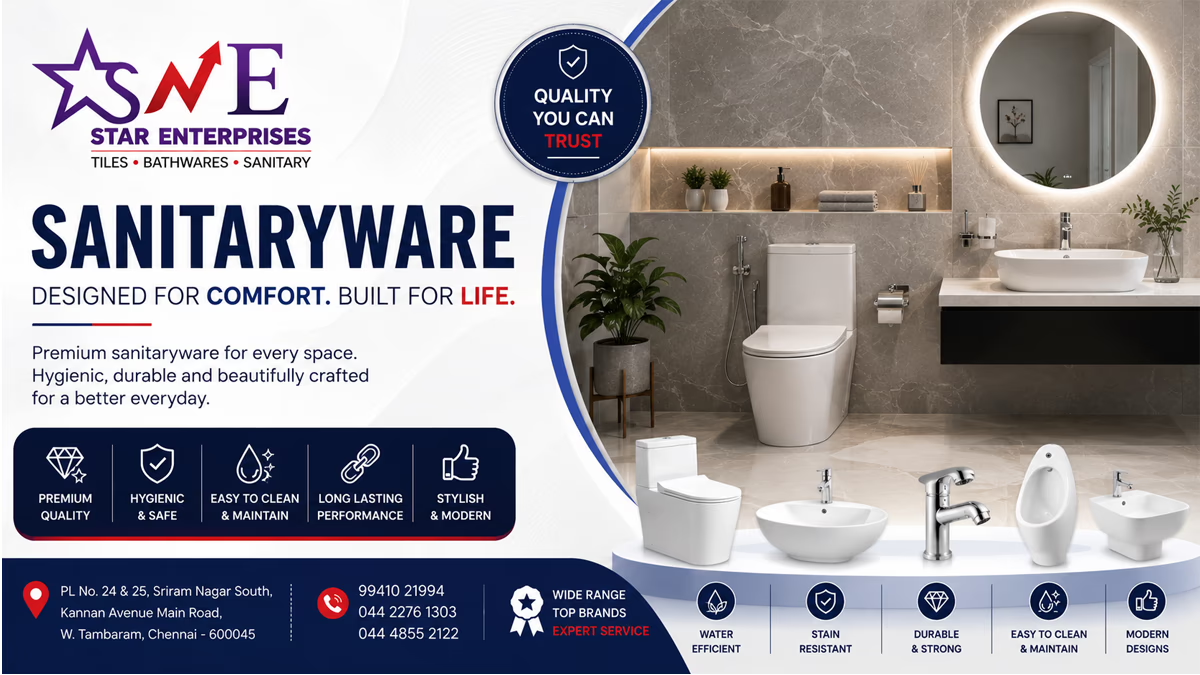
Introduction
Complete guide to sanitaryware, toilets, closets, wash basins and bathroom products for new homes, renovations and commercial spaces, with practical buying guidance for Tambaram.
Sanitaryware for Modern, Clean & Functional Bathrooms
Sanitaryware is the foundation of a bathroom because it includes the major ceramic bathroom products used for hygiene, washing and everyday routines. Toilets, closets, wash basins, urinals and related products determine how the room functions and how its design comes together. Choosing sanitaryware is therefore not simply a matter of selecting a beautiful shape. Dimensions, plumbing, installation method, cleaning, comfort, available space and coordination with bathroom fittings all matter.
This guide is designed for homeowners, builders, architects, interior designers and property owners researching sanitaryware for new construction or renovation. It explains the major types, practical selection criteria, design choices, installation considerations, maintenance and buying process.
For customers looking for sanitaryware in Tambaram, seeing products physically can make comparison easier. Bring measurements and bathroom photographs when visiting a showroom so the product can be evaluated against the real project.
A useful showroom approach is to compare the physical product with the planned room rather than choosing from a catalogue photograph. Dimensions, proportions and finishes become much easier to judge when the surrounding bathroom design is considered.
What Is Sanitaryware?
Sanitaryware generally refers to bathroom and washroom products made for hygiene-related functions, most commonly ceramic or vitreous products such as toilets, closets, wash basins and urinals. The category can contain several shapes, mounting styles and configurations.
The term is often used broadly in bathroom shopping, while taps, showers and other hardware are commonly classified as bathroom fittings. In a complete project, these categories must work together. A basin needs compatible tapware and waste connections, while a toilet needs suitable water supply, drainage and flush arrangements.
The exact material and construction vary by product. Before purchasing, check the manufacturer’s specifications, dimensions, installation instructions and intended application. A product that looks right may still be unsuitable if its outlet position, water connection or mounting arrangement does not match the room.
For installation, the exact manufacturer information should take priority over generic advice. Plumbing positions, mounting systems and dimensions can vary between models, so confirm the selected product before the installer fixes the final points.
Why Sanitaryware Is Important in Bathroom Planning
Sanitaryware influences the layout of almost every bathroom. The position of the toilet affects drainage and movement. The basin affects vanity space and tap placement. The dimensions of each product determine how much clear floor area remains.
Good planning begins with measurements rather than product selection. Mark the walls, doors, windows, plumbing points and available clearances. Then shortlist sanitaryware that fits those conditions.
Appearance should come next. Once technically suitable products are identified, compare shape, colour, finish and style. This prevents a common mistake: choosing a product for its appearance and discovering later that it cannot be installed comfortably.
Sanitaryware should also be considered alongside tiles, bathroom fittings, lighting and storage. A coordinated bathroom feels more intentional and is generally easier to use.
For a renovation, photograph the existing installation before removal. Record the old product dimensions and connection positions so the new sanitaryware can be compared against the existing conditions.
Types of Sanitaryware
The main sanitaryware categories include toilets and closets, wash basins and urinals, with many variations within each group. Toilets can be floor mounted, wall hung, one piece or two piece. Basins can be countertop, wall hung, pedestal, semi-recessed or under-counter depending on the design.
The right type depends on the room, plumbing, available space and desired appearance. A wall-hung toilet may create a clean modern look but needs compatible wall construction and concealed plumbing. A countertop basin can become a design feature but requires a suitable vanity or counter.
Do not compare products only by category name. Compare dimensions, outlet positions, water connections, installation method and maintenance access as well. This makes the selection more reliable.
The final decision should balance function, compatibility, appearance, maintenance and total project cost. A good sanitaryware choice is one that works comfortably in the real bathroom, not simply one that looks impressive in a product image.
Bathroom Toilets and Closets
Toilets and closets are among the most important sanitaryware products because they are used every day and require accurate plumbing. Selection should consider the toilet type, pan dimensions, outlet configuration, flush arrangement, seat, water connection and available room.
Floor-mounted toilets are commonly chosen for straightforward installation, while wall-hung toilets can provide a more visually open floor area when the building and plumbing support concealed installation.
Comfort is also important. Consider seat height, bowl proportions and the available front and side clearance. The final decision should be based on the user and the bathroom layout rather than appearance alone.
Always confirm the exact installation requirements before ordering, especially when replacing an existing toilet.
A useful showroom approach is to compare the physical product with the planned room rather than choosing from a catalogue photograph. Dimensions, proportions and finishes become much easier to judge when the surrounding bathroom design is considered.
One-Piece Toilets
One-piece toilets integrate the tank and bowl into a single unit. Their continuous form can create a streamlined appearance and can reduce some external joints where dirt might otherwise collect.
They are often attractive for contemporary bathrooms, but physical dimensions and access still need to be checked. The footprint may differ from the existing toilet, and the outlet or water connection must match the installation.
When comparing one-piece models, look beyond appearance. Check seat height, projection, flush arrangement, cleaning access, dimensions and manufacturer guidance.
For renovation projects, measure the existing toilet area before choosing the replacement. A slightly different projection can affect door clearance or movement in a compact bathroom.
For installation, the exact manufacturer information should take priority over generic advice. Plumbing positions, mounting systems and dimensions can vary between models, so confirm the selected product before the installer fixes the final points.
Two-Piece Toilets
Two-piece toilets separate the bowl and cistern. They are a familiar configuration and are available in many shapes and sizes.
Their dimensions can make them suitable for a range of bathroom layouts, but the exact floor space and outlet position should still be checked. The connection between the tank and bowl also needs correct installation.
When choosing a two-piece toilet, compare bowl shape, seat position, flush mechanism, water connection and overall projection.
A two-piece toilet can work in modern bathrooms as well as more traditional designs. The final appearance depends on the product’s geometry and the surrounding tile and fittings.
For a renovation, photograph the existing installation before removal. Record the old product dimensions and connection positions so the new sanitaryware can be compared against the existing conditions.
Wall-Hung Toilets
Wall-hung toilets are mounted from a concealed support system rather than sitting directly on the floor. They can create a modern appearance and make the visible floor easier to clean.
However, wall-hung installation requires appropriate structural support, a concealed cistern or frame and accurate planning before the wall is finished. The finished height must be determined carefully.
Service access should also be considered. Concealed components should be installed according to the manufacturer’s system so future maintenance is practical.
Wall-hung toilets are therefore a design and construction decision, not simply a replacement product. Confirm wall conditions, plumbing and installation requirements before purchasing.
The final decision should balance function, compatibility, appearance, maintenance and total project cost. A good sanitaryware choice is one that works comfortably in the real bathroom, not simply one that looks impressive in a product image.
Floor-Mounted Toilets
Floor-mounted toilets sit directly on the finished floor and can be a practical choice for many homes and renovation projects. They are available in several shapes and configurations.
Their suitability depends on the existing drainage, water connection, available clearance and finished floor level. When replacing an old toilet, measure the outlet location and distance from the wall before ordering.
Floor-mounted designs can still look modern. A clean-shaped toilet combined with coordinated tiles and fittings can produce a contemporary bathroom without requiring concealed wall construction.
A useful showroom approach is to compare the physical product with the planned room rather than choosing from a catalogue photograph. Dimensions, proportions and finishes become much easier to judge when the surrounding bathroom design is considered.
Wash Basins
Wash basins are central to bathroom usability and often become a major visual feature. Selection should consider basin type, dimensions, tap arrangement, waste outlet, counter or wall support and user height.
A basin that is too large can reduce circulation space, while one that is too small may provide an uncomfortable washing area.
Basin selection should happen together with the tap. A mixer with the wrong spout reach can cause splashing or awkward water placement.
Also consider mirror position, lighting, storage and the finished wall. A good basin installation is the result of coordinated planning rather than an isolated product choice.
For installation, the exact manufacturer information should take priority over generic advice. Plumbing positions, mounting systems and dimensions can vary between models, so confirm the selected product before the installer fixes the final points.
Countertop Wash Basins
Countertop basins sit on a vanity or counter and can create a strong contemporary appearance. They are available in different shapes, including round, oval and rectangular forms.
The counter must provide appropriate support and allow sufficient space for the basin, tap and waste connection. If the tap is deck mounted, its height should be compatible with the basin.
Countertop basins can be especially effective in modern bathrooms because the basin becomes a visible design element. However, the surrounding counter should remain easy to clean and the plumbing should remain serviceable.
Measure the complete vanity before finalising the basin.
For a renovation, photograph the existing installation before removal. Record the old product dimensions and connection positions so the new sanitaryware can be compared against the existing conditions.
Wall-Hung Wash Basins
Wall-hung basins are fixed directly to the wall or an appropriate support structure and can leave more visible floor area beneath. This can be useful in compact bathrooms where a bulky vanity is undesirable.
The wall must be capable of supporting the installation, and the plumbing connections should be positioned accurately.
A wall-hung basin can work with a wall-mounted tap for a minimalist appearance or a compatible basin tap depending on the model.
Consider storage separately. If the bathroom needs substantial storage, a vanity may be more practical.
The final decision should balance function, compatibility, appearance, maintenance and total project cost. A good sanitaryware choice is one that works comfortably in the real bathroom, not simply one that looks impressive in a product image.
Pedestal Wash Basins
Pedestal basins use a pedestal below the basin to support the product and conceal some plumbing. They are a familiar solution for bathrooms where a full vanity is not required.
They can be useful in compact or traditional bathrooms and are available in contemporary shapes as well.
Check the overall footprint and wall position before installation. The pedestal and basin should align with the waste and water connections.
Because the space beneath the basin is occupied by the pedestal, storage is limited. If storage is a priority, compare a vanity or wall-hung solution before deciding.
A useful showroom approach is to compare the physical product with the planned room rather than choosing from a catalogue photograph. Dimensions, proportions and finishes become much easier to judge when the surrounding bathroom design is considered.
Under-Counter Basins
Under-counter basins are installed below a countertop, creating a smooth transition from the counter surface into the basin. They can provide a clean appearance and are often paired with vanity storage.
The countertop cutout must match the basin accurately, and the cabinet must allow sufficient clearance for plumbing.
Under-counter basins are practical for bathrooms where countertop cleaning is important because water and debris can be wiped directly toward the basin.
Confirm the basin dimensions and cutout information before fabricating the counter.
For installation, the exact manufacturer information should take priority over generic advice. Plumbing positions, mounting systems and dimensions can vary between models, so confirm the selected product before the installer fixes the final points.
Semi-Recessed and Compact Basins
Semi-recessed basins can extend partly beyond a vanity or counter and can be useful where depth is limited. They combine some of the storage benefits of a vanity with a shallower overall footprint.
Compact basins can be particularly helpful in powder rooms and small guest bathrooms. However, reduced dimensions should not compromise comfortable handwashing.
Measure door swings and circulation space carefully. A basin that projects too far into a narrow passage can make the room feel cramped.
Choose the basin after understanding the complete layout.
For a renovation, photograph the existing installation before removal. Record the old product dimensions and connection positions so the new sanitaryware can be compared against the existing conditions.
Urinals and Commercial Sanitaryware
Urinals are more common in commercial and institutional washrooms than private residential bathrooms. Their installation requires suitable water supply, drainage and wall support.
Commercial sanitaryware should be selected according to traffic, cleaning frequency, maintenance access and expected usage.
In a busy facility, product standardisation can simplify future replacement. The appearance should also coordinate with other fixtures and fittings.
For commercial projects, confirm technical requirements and local building or plumbing requirements with the responsible professional before installation.
The final decision should balance function, compatibility, appearance, maintenance and total project cost. A good sanitaryware choice is one that works comfortably in the real bathroom, not simply one that looks impressive in a product image.
Modern Sanitaryware Designs
Modern sanitaryware often uses clean curves, straight edges and simplified forms. The design should support the architecture rather than dominate it.
A rounded basin can soften a room with strong rectangular tiles, while a rectangular basin can reinforce a geometric modern design. Toilets with smooth external forms can also make cleaning visually easier.
Modern design does not require an unusual shape. Proportion, spacing and coordination can produce a contemporary bathroom using simple products.
Compare the sanitaryware with actual tile samples and fittings whenever possible.
A useful showroom approach is to compare the physical product with the planned room rather than choosing from a catalogue photograph. Dimensions, proportions and finishes become much easier to judge when the surrounding bathroom design is considered.
White Sanitaryware
White remains one of the most versatile sanitaryware colours because it coordinates with many tile colours, fittings and wall finishes. It can also make a bathroom feel clean and visually bright.
White sanitaryware works with minimalist, traditional and contemporary designs. The surrounding tile and metal finish can change the character significantly.
When comparing white products, view them under the actual bathroom lighting because different finishes and materials can appear slightly different.
Cleaning routines should follow the product manufacturer’s recommendations.
For a renovation, photograph the existing installation before removal. Record the old product dimensions and connection positions so the new sanitaryware can be compared against the existing conditions.
Coloured Sanitaryware
Coloured sanitaryware can create a distinctive bathroom design and may work well when the room has a controlled colour palette. The surrounding tiles should be selected so the sanitaryware remains the focal point without creating excessive visual competition.
Because sanitaryware is a relatively long-term purchase, consider whether the colour will remain compatible with future changes to paint, fittings and accessories.
Use physical samples or product displays when possible. Online images can vary because of lighting and screen settings.
The final decision should balance function, compatibility, appearance, maintenance and total project cost. A good sanitaryware choice is one that works comfortably in the real bathroom, not simply one that looks impressive in a product image.
Sanitaryware for Small Bathrooms
Small bathrooms require careful control of dimensions. Compact toilets, smaller basins and wall-hung solutions can help preserve circulation space when appropriate.
Start by measuring the room and identifying the door swing, shower zone, plumbing points and required clearances. Then select products that fit the available envelope.
A smaller product should still be comfortable to use. Do not reduce dimensions beyond what the user can comfortably accommodate simply to create more empty floor area.
Light colours and simple shapes can also make a compact room feel more open.
A useful showroom approach is to compare the physical product with the planned room rather than choosing from a catalogue photograph. Dimensions, proportions and finishes become much easier to judge when the surrounding bathroom design is considered.
Sanitaryware for Large Bathrooms
Large bathrooms allow greater flexibility in basin size, vanity design and toilet placement. The challenge is creating proportion rather than filling every area.
A generous countertop basin and coordinated vanity can anchor the room. The toilet should have comfortable clearance, while the shower and bath areas can remain visually separated.
Large bathrooms can also use matching sanitaryware across multiple zones to create consistency.
Choose product scale based on the architecture and user requirements.
For installation, the exact manufacturer information should take priority over generic advice. Plumbing positions, mounting systems and dimensions can vary between models, so confirm the selected product before the installer fixes the final points.
Sanitaryware for Master Bathrooms
Master bathrooms often require a balance of comfort, storage and visual design. Double basins may be useful where two people use the space, while a larger shower system can create a dedicated wet zone.
The toilet should be positioned for privacy and convenient movement. Sanitaryware should coordinate with taps, showers and bathroom accessories.
Before ordering, create a layout showing the exact product dimensions. This helps verify door movement and circulation.
For a renovation, photograph the existing installation before removal. Record the old product dimensions and connection positions so the new sanitaryware can be compared against the existing conditions.
Sanitaryware for Guest Bathrooms
Guest bathrooms should be simple to understand and comfortable for visitors. A practical basin, toilet, shower and storage arrangement is usually more valuable than unnecessary complexity.
Neutral sanitaryware is easy to coordinate with different tile designs and fittings. A feature wall or accessory finish can provide visual interest without making the room difficult to maintain.
Make controls and accessories easy to reach and clearly separated by function.
The final decision should balance function, compatibility, appearance, maintenance and total project cost. A good sanitaryware choice is one that works comfortably in the real bathroom, not simply one that looks impressive in a product image.
Sanitaryware for Apartments
Apartment bathrooms often have compact dimensions and fixed plumbing points. Product selection must therefore be based on actual measurements.
Check the existing toilet outlet, basin position, water supply and finished floor level before replacing products.
Compact wall-hung or close-coupled configurations may work depending on the building and plumbing, but the correct product must be confirmed for the specific installation.
Avoid ordering before verifying access through doors, lifts and stairways if the building has delivery constraints.
A useful showroom approach is to compare the physical product with the planned room rather than choosing from a catalogue photograph. Dimensions, proportions and finishes become much easier to judge when the surrounding bathroom design is considered.
Sanitaryware for Villas
Villas often contain multiple bathrooms, which creates an opportunity to coordinate sanitaryware across the property. The master bathroom may have a more elaborate configuration while guest bathrooms use simpler products.
Buying as a planned collection can help maintain consistent design language and simplify future servicing.
Each bathroom should still be measured independently because plumbing and room dimensions can differ.
For installation, the exact manufacturer information should take priority over generic advice. Plumbing positions, mounting systems and dimensions can vary between models, so confirm the selected product before the installer fixes the final points.
Sanitaryware for New Homes
New homes offer the best opportunity to coordinate sanitaryware with plumbing before the walls and floors are finished. Decide the toilet type, basin type and approximate dimensions before plumbing points are fixed.
If using concealed cisterns or wall-hung toilets, the support system and service access should be planned early.
Keep product specifications available for the plumber and installer. Accurate information reduces the chance of incorrectly positioned outlets.
For a renovation, photograph the existing installation before removal. Record the old product dimensions and connection positions so the new sanitaryware can be compared against the existing conditions.
Sanitaryware for Bathroom Renovation
Renovation projects require careful comparison between existing and proposed products. Measure the old toilet and basin, record plumbing positions and check whether the floor and wall can support the new installation.
Changing from floor-mounted to wall-hung sanitaryware can require substantial construction changes. A simple like-for-like replacement may be less disruptive.
If tiles are also being replaced, coordinate sanitaryware dimensions with the new tile layout before final fixing.
The final decision should balance function, compatibility, appearance, maintenance and total project cost. A good sanitaryware choice is one that works comfortably in the real bathroom, not simply one that looks impressive in a product image.
Sanitaryware and Bathroom Tiles
Sanitaryware and tiles form the visual foundation of a bathroom. Large-format tiles can provide a calm background for sculptural basins, while smaller patterned tiles may pair better with simpler sanitaryware.
Floor tile selection also affects toilet and basin installation levels. Wall tiles influence mounting points and the visual relationship between fixtures.
Choose the sanitaryware and tiles as a coordinated palette rather than separate purchases. Physical samples are particularly useful.
A useful showroom approach is to compare the physical product with the planned room rather than choosing from a catalogue photograph. Dimensions, proportions and finishes become much easier to judge when the surrounding bathroom design is considered.
Sanitaryware and Bathroom Fittings
Sanitaryware must work with bathroom fittings. A basin determines the appropriate tap height and reach. A shower area determines the placement of shower controls. A toilet requires compatible valves and flush components.
Selecting these products independently can create installation problems.
A better approach is to list the sanitaryware first, then select compatible fittings and accessories. Confirm all dimensions before plumbing begins.
For installation, the exact manufacturer information should take priority over generic advice. Plumbing positions, mounting systems and dimensions can vary between models, so confirm the selected product before the installer fixes the final points.
Sanitaryware and Bathroom Accessories
Accessories such as towel rails, toilet-roll holders, shelves and hooks complete the bathroom but should not interfere with sanitaryware.
Measure the available wall space around the toilet and basin before drilling. A towel rail that is too close to a basin or shower door can reduce usability.
Matching finishes can create a cohesive appearance. The accessory collection should complement rather than compete with the sanitaryware.
For a renovation, photograph the existing installation before removal. Record the old product dimensions and connection positions so the new sanitaryware can be compared against the existing conditions.
Sanitaryware Dimensions and Space Planning
Dimensions are among the most important sanitaryware buying criteria. Record width, depth, height, mounting distance, outlet location and required clearances.
For toilets, confirm the outlet configuration and distance from the finished wall. For basins, measure tap holes, counter cutout and waste location.
Use a scaled drawing for complicated bathrooms. Even a simple plan can reveal conflicts between doors, shower enclosures, vanity cabinets and sanitaryware.
The final decision should balance function, compatibility, appearance, maintenance and total project cost. A good sanitaryware choice is one that works comfortably in the real bathroom, not simply one that looks impressive in a product image.
Toilet Outlet and Plumbing Compatibility
Toilet outlet compatibility should be confirmed before replacement. Existing installations may have different drainage positions, and changing the outlet can require additional plumbing.
Check whether the toilet is designed for the existing floor or wall drainage arrangement. Confirm the water inlet location as well.
Never rely only on the visual shape of a toilet. Two products that look similar can have different connection requirements.
A useful showroom approach is to compare the physical product with the planned room rather than choosing from a catalogue photograph. Dimensions, proportions and finishes become much easier to judge when the surrounding bathroom design is considered.
Basin Plumbing Compatibility
Basin installation depends on water supply, tap holes, waste position and trap space. Countertop and wall-mounted basins can have very different plumbing arrangements.
Before fabricating a counter, confirm the basin dimensions and cutout details. Before closing a wall, confirm the location of wall-mounted taps.
Accessible service connections can make future maintenance easier, particularly under vanity units.
For installation, the exact manufacturer information should take priority over generic advice. Plumbing positions, mounting systems and dimensions can vary between models, so confirm the selected product before the installer fixes the final points.
Sanitaryware Installation
Sanitaryware installation should follow the manufacturer’s instructions and be completed by a competent plumber or installer. Correct level, alignment, sealing, connections and testing are essential.
The finished floor and wall surfaces must be considered when setting product heights. Installation should also protect waterproofing and avoid unnecessary damage to tiles.
After installation, test water flow, flushing, drainage and visible connections. Any leak or alignment issue should be addressed before the bathroom enters regular use.
For a renovation, photograph the existing installation before removal. Record the old product dimensions and connection positions so the new sanitaryware can be compared against the existing conditions.
Wall-Hung Sanitaryware Installation
Wall-hung sanitaryware requires a suitable support frame or mounting system and careful coordination with concealed plumbing. The finished height and wall depth must be planned before tiling.
The concealed cistern or carrier should follow the manufacturer’s installation requirements. Service access should remain practical through the designed access point.
Because much of the mechanism is hidden, accurate installation is especially important.
The final decision should balance function, compatibility, appearance, maintenance and total project cost. A good sanitaryware choice is one that works comfortably in the real bathroom, not simply one that looks impressive in a product image.
Sanitaryware Cleaning and Maintenance
Regular cleaning helps maintain sanitaryware appearance and hygiene. Use cleaning products appropriate for the surface and follow the manufacturer’s recommendations.
Avoid abrasive materials that can scratch glazed surfaces. Persistent stains should be treated with a method suitable for the product rather than increasingly aggressive chemicals.
Inspect connections, seals and visible plumbing periodically. Small leaks should be addressed early.
A useful showroom approach is to compare the physical product with the planned room rather than choosing from a catalogue photograph. Dimensions, proportions and finishes become much easier to judge when the surrounding bathroom design is considered.
Toilet Cleaning Tips
Toilets should be cleaned regularly using products compatible with the glazed surface and internal components. Do not assume that a strong chemical is always better.
Pay attention to the seat, hinges, flush area and accessible external surfaces. Keep the surrounding floor dry and clean.
If flushing performance changes, check for a plumbing or component issue rather than repeatedly using chemical cleaners.
For installation, the exact manufacturer information should take priority over generic advice. Plumbing positions, mounting systems and dimensions can vary between models, so confirm the selected product before the installer fixes the final points.
Wash Basin Cleaning Tips
Basins can collect soap residue, toothpaste and mineral deposits. Regular gentle cleaning is usually easier than allowing buildup to accumulate.
Use a soft cloth and a product appropriate for the basin finish. Avoid abrasive powders that can dull or scratch the glaze.
Clean around the waste outlet and tap base, where residue can collect. If drainage slows, inspect the waste and trap rather than relying only on surface cleaning.
For a renovation, photograph the existing installation before removal. Record the old product dimensions and connection positions so the new sanitaryware can be compared against the existing conditions.
Sanitaryware and Hard Water
Hard-water deposits can appear around taps, basin outlets and toilet areas. The best cleaning approach depends on the sanitaryware and fitting finish.
Follow manufacturer guidance before using descaling products. Some aggressive acids can damage surfaces or nearby metal fittings.
Regular cleaning can reduce heavy buildup. Where water conditions are a persistent issue, discuss suitable maintenance practices with a qualified professional.
The final decision should balance function, compatibility, appearance, maintenance and total project cost. A good sanitaryware choice is one that works comfortably in the real bathroom, not simply one that looks impressive in a product image.
Sanitaryware Durability
Durability depends on product construction, manufacturing quality, installation, use and maintenance. A well-made sanitaryware product can still develop problems if it is installed on an unsuitable surface or subjected to incorrect use.
Check the product’s intended application and technical information. For commercial environments, select according to expected traffic and cleaning requirements.
Do not judge durability from weight or appearance alone. Product documentation and installation guidance provide more useful information.
A useful showroom approach is to compare the physical product with the planned room rather than choosing from a catalogue photograph. Dimensions, proportions and finishes become much easier to judge when the surrounding bathroom design is considered.
Sanitaryware Price
Sanitaryware prices vary according to product type, design, size, configuration, brand, finish and collection. A simple basin and a specialist wall-hung toilet system naturally have different costs.
Installation can also affect the total project budget. Concealed systems may require additional components and plumbing work.
Compare the complete installed requirement rather than selecting a product solely because its purchase price is low.
For installation, the exact manufacturer information should take priority over generic advice. Plumbing positions, mounting systems and dimensions can vary between models, so confirm the selected product before the installer fixes the final points.
How to Build a Sanitaryware Budget
Start by listing toilets, basins and any other sanitaryware required for every bathroom. Add compatible seats, flush components, waste fittings and installation materials where necessary.
Then separate essential products from design upgrades. Decide which bathrooms require premium features and which can use simpler configurations.
Include plumbing modifications, countertop fabrication, installation and potential tile work in the overall renovation budget.
For a renovation, photograph the existing installation before removal. Record the old product dimensions and connection positions so the new sanitaryware can be compared against the existing conditions.
How to Choose Sanitaryware
Choose sanitaryware in this order: measure the room, identify plumbing, select the mounting type, confirm dimensions, shortlist designs, compare cleaning and maintenance, and finally compare current price and availability.
For toilets, confirm outlet and water connections. For basins, confirm tap arrangement, waste and counter requirements.
This method reduces compatibility mistakes and creates a more confident purchase decision.
The final decision should balance function, compatibility, appearance, maintenance and total project cost. A good sanitaryware choice is one that works comfortably in the real bathroom, not simply one that looks impressive in a product image.
Sanitaryware Brands and Collections
Sanitaryware collections can differ in shape, dimensions, finish and component compatibility. When comparing brands or collections, look beyond the logo and evaluate the products against the actual project.
Check product documentation, installation requirements, service information and availability. A collection with several coordinated products can simplify a multi-bathroom project.
Choose the brand and collection that provide an appropriate balance of design, technical suitability, budget and long-term support.
A useful showroom approach is to compare the physical product with the planned room rather than choosing from a catalogue photograph. Dimensions, proportions and finishes become much easier to judge when the surrounding bathroom design is considered.
Sanitaryware for Commercial Projects
Commercial sanitaryware should be selected for the expected number of users, cleaning frequency, maintenance access and project budget. Offices, restaurants, hotels and institutions can have very different requirements.
Standardising products across repeated washrooms can make replacement easier.
Commercial projects should coordinate sanitaryware with plumbing design, accessibility requirements and relevant building standards through the responsible professionals.
For installation, the exact manufacturer information should take priority over generic advice. Plumbing positions, mounting systems and dimensions can vary between models, so confirm the selected product before the installer fixes the final points.
Sanitaryware for Rental Properties
Rental properties benefit from practical sanitaryware that is easy to clean, commonly serviceable and broadly appealing. Simple shapes and neutral colours can make future renovations easier.
Avoid selecting an unnecessarily complex installation when the property does not require it.
Keep product information and purchase records so replacements can be identified quickly if a component is damaged.
For a renovation, photograph the existing installation before removal. Record the old product dimensions and connection positions so the new sanitaryware can be compared against the existing conditions.
Sanitaryware for Builders and Contractors
Builders and contractors should verify the exact product model, dimensions, outlet arrangement and delivery quantity before installation. Product substitutions should be approved before plumbing positions are changed.
Coordinate sanitaryware with tile levels, waterproofing, vanity fabrication and fitting installation.
For multiple bathrooms, establish a room-by-room schedule. This reduces the chance of installing the wrong basin or toilet in a particular space.
The final decision should balance function, compatibility, appearance, maintenance and total project cost. A good sanitaryware choice is one that works comfortably in the real bathroom, not simply one that looks impressive in a product image.
Sanitaryware for Architects and Designers
Architects and designers can use sanitaryware to establish the visual scale of a bathroom. Curved and rectangular products create different relationships with tile grids, vanity cabinetry and wall finishes.
Product dimensions should be included in the design drawings before plumbing is finalised.
A good specification balances aesthetics with installation, serviceability, cleaning and product availability. The design should remain achievable with the actual products that can be procured.
A useful showroom approach is to compare the physical product with the planned room rather than choosing from a catalogue photograph. Dimensions, proportions and finishes become much easier to judge when the surrounding bathroom design is considered.
Sanitaryware for Compact Indian Bathrooms
Compact Indian bathrooms often combine toilet, basin, shower and health-faucet functions in a limited footprint. Space planning therefore becomes critical.
Choose products based on actual clearance and movement. Wall-hung options can sometimes preserve visible floor area, while compact basins can improve circulation.
Wet and dry zones should be organised where possible. The final layout should allow users to operate each product without awkward interference.
For installation, the exact manufacturer information should take priority over generic advice. Plumbing positions, mounting systems and dimensions can vary between models, so confirm the selected product before the installer fixes the final points.
Sanitaryware for Chennai Homes
Bathroom planning in Chennai should consider the local environment, cleaning routines, water conditions and the specific construction of the home. Humidity and frequent water exposure make correct installation and maintenance important.
Choose products according to the actual bathroom and plumbing rather than generic regional assumptions.
For a renovation, inspect existing dampness, drainage and waterproofing before installing new sanitaryware.
For a renovation, photograph the existing installation before removal. Record the old product dimensions and connection positions so the new sanitaryware can be compared against the existing conditions.
Sanitaryware in Tambaram
Customers searching for sanitaryware in Tambaram often want to compare toilets, basins and related bathroom products before making a purchase. Physical comparison is useful because proportions, finish and shape can be difficult to judge online.
Star Enterprises in West Tambaram provides a showroom destination for customers planning bathroom construction or renovation.
Bring measurements, photographs and information about existing plumbing. This helps narrow the selection to products that are more likely to suit the actual project.
The final decision should balance function, compatibility, appearance, maintenance and total project cost. A good sanitaryware choice is one that works comfortably in the real bathroom, not simply one that looks impressive in a product image.
Sanitaryware Showroom in Tambaram
A good sanitaryware showroom visit should focus on comparison and compatibility. Customers can examine basin proportions, toilet shapes, finishes and product dimensions in person.
At Star Enterprises, customers can also coordinate sanitaryware with bathroom fittings and other bathroom categories. This can reduce the risk of selecting unrelated products.
Before visiting, prepare a list of required products and an approximate budget. Ask about exact model information, current availability, installation requirements and price.
A useful showroom approach is to compare the physical product with the planned room rather than choosing from a catalogue photograph. Dimensions, proportions and finishes become much easier to judge when the surrounding bathroom design is considered.
Sanitaryware Near Me
A search for sanitaryware near me generally indicates strong local buying intent. A physical showroom can be useful because sanitaryware is a dimensional and tactile product.
Customers can compare the size of basins, toilet shapes, finishes and overall proportions. They can also discuss plumbing compatibility and project requirements.
For customers around Tambaram, visiting Star Enterprises in West Tambaram can turn online research into a physical product comparison.
For installation, the exact manufacturer information should take priority over generic advice. Plumbing positions, mounting systems and dimensions can vary between models, so confirm the selected product before the installer fixes the final points.
Sanitaryware Buying Checklist
Before ordering, confirm the bathroom dimensions, product type, exact model, size, mounting method, outlet arrangement, water connection and installation requirements.
For basins, check tap holes, waste position and counter dimensions. For toilets, confirm outlet and clearance requirements. For wall-hung products, confirm the carrier or concealed system.
Finally verify current price, availability and delivery quantity. Keep product documents for future maintenance.
For a renovation, photograph the existing installation before removal. Record the old product dimensions and connection positions so the new sanitaryware can be compared against the existing conditions.
Common Sanitaryware Buying Mistakes
Common mistakes include choosing a toilet without checking the outlet, buying a basin before measuring the vanity, selecting wall-hung products after plumbing is complete and ignoring clearance around doors.
Another mistake is comparing only appearance and price. Installation, maintenance and compatibility can be more important to long-term satisfaction.
Use measurements, product documentation and professional installation guidance before making the final decision.
The final decision should balance function, compatibility, appearance, maintenance and total project cost. A good sanitaryware choice is one that works comfortably in the real bathroom, not simply one that looks impressive in a product image.
How to Compare Sanitaryware in a Showroom
Start by separating products by application and dimensions. Compare toilets with the same installation type and basins with compatible mounting arrangements.
Look at shape, finish, proportions and cleaning access. Ask about dimensions, plumbing requirements, installation, maintenance, service and current availability.
Take photographs and notes if several bathrooms are being planned. A simple comparison sheet can prevent products from being mixed up later.
A useful showroom approach is to compare the physical product with the planned room rather than choosing from a catalogue photograph. Dimensions, proportions and finishes become much easier to judge when the surrounding bathroom design is considered.
Sanitaryware and Complete Bathroom Solutions
Sanitaryware is only one part of a complete bathroom. The toilet and basin need compatible fittings, drainage and accessories, while the surrounding tiles need to support the final layout.
Planning these products together can improve both function and appearance. It can also make the installation sequence easier because plumbing positions are determined with the actual products in mind.
A complete bathroom solution is therefore a coordinated project rather than a collection of unrelated purchases.
For installation, the exact manufacturer information should take priority over generic advice. Plumbing positions, mounting systems and dimensions can vary between models, so confirm the selected product before the installer fixes the final points.
Sanitaryware for Bathroom Makeovers
A bathroom makeover can range from replacing one basin to rebuilding the complete room. The scale of the project determines how much plumbing and wall work can be changed.
For a cosmetic upgrade, replacing sanitaryware with compatible products may minimise disruption. For a complete renovation, the layout can be reconsidered.
Always inspect the underlying plumbing and waterproofing before covering problems with new sanitaryware or tiles.
For a renovation, photograph the existing installation before removal. Record the old product dimensions and connection positions so the new sanitaryware can be compared against the existing conditions.
Long-Term Sanitaryware Value
Long-term value includes comfort, cleaning, serviceability, installation quality and visual longevity. A product that fits correctly and remains easy to maintain can be more valuable than a cheaper product that creates installation difficulties.
Consider the expected life of the bathroom and whether replacement components or product information will remain accessible.
Good installation is part of value. Even a high-quality product needs an appropriate substrate and correct plumbing.
The final decision should balance function, compatibility, appearance, maintenance and total project cost. A good sanitaryware choice is one that works comfortably in the real bathroom, not simply one that looks impressive in a product image.
Sanitaryware and Future Bathroom Changes
Bathroom finishes may change over time, while toilets and basins can remain for many years. Neutral sanitaryware can therefore provide flexibility for future paint, tile and fitting changes.
If a distinctive coloured or shaped product is selected, consider how future replacements and surrounding materials will work with it.
Keep the original product information so future renovation work can identify the correct dimensions and connections.
A useful showroom approach is to compare the physical product with the planned room rather than choosing from a catalogue photograph. Dimensions, proportions and finishes become much easier to judge when the surrounding bathroom design is considered.
Final Sanitaryware Selection Process
A practical selection process has seven stages: measure the bathroom, record plumbing, identify users and application, shortlist technically compatible sanitaryware, compare physical samples, confirm installation and then finalise price and availability.
For each bathroom, maintain a simple product schedule showing the toilet, basin, fittings and accessories. This prevents errors when several rooms are being renovated at once.
When uncertain, ask the showroom and installer to verify the exact product before ordering.
For installation, the exact manufacturer information should take priority over generic advice. Plumbing positions, mounting systems and dimensions can vary between models, so confirm the selected product before the installer fixes the final points.
Final Step: Visit Star Enterprises for Sanitaryware
If you are searching for sanitaryware in Tambaram, bring your bathroom measurements, photographs and plumbing information to Star Enterprises in West Tambaram. Compare toilets, closets, wash basins and related bathroom products physically before making the final decision.
You can also coordinate the selection with [bathroom fittings](/bathroom-fittings/), [toilets and closets](/toilets-closets/), [wash basins](/wash-basins/), [showers](/showers/), [taps and faucets](/taps-faucets/), [bathroom tiles](/bathroom-tiles/), [bathroom floor tiles](/bathroom-floor-tiles/), [bathroom wall tiles](/bathroom-wall-tiles/), [bathroom solutions](/bathroom-solutions/) and [showroom](/showroom/).
Ask about dimensions, plumbing compatibility, installation, maintenance, current availability and current pricing for the exact products you shortlist. The objective is a bathroom that is comfortable, coordinated, practical to maintain and correctly installed.
For a renovation, photograph the existing installation before removal. Record the old product dimensions and connection positions so the new sanitaryware can be compared against the existing conditions.
Sanitaryware FAQ
What is sanitaryware?
Sanitaryware generally refers to bathroom and washroom products such as toilets, closets, wash basins and urinals, commonly made from ceramic or vitreous materials.
Which products come under sanitaryware?
Common sanitaryware products include toilets, closets, wash basins and urinals, with different mounting styles and configurations.
What is the difference between sanitaryware and bathroom fittings?
Sanitaryware generally covers major bathroom ceramic products, while bathroom fittings commonly include taps, mixers, showers, valves and hardware. They must be coordinated during installation.
Which sanitaryware is best for a small bathroom?
The best option depends on the actual room dimensions. Compact toilets, appropriately sized basins and suitable wall-hung solutions can help when the plumbing and construction support them.
Which is better, one-piece or two-piece toilet?
Both can work well. Compare dimensions, cleaning access, installation, plumbing compatibility, design and budget for the specific bathroom.
Are wall-hung toilets good?
Wall-hung toilets can create a clean appearance and open visible floor space, but they require compatible support, concealed plumbing and accurate installation.
How do I choose a wash basin?
Choose based on room size, mounting type, tap arrangement, waste position, vanity dimensions, user comfort and design.
Is white sanitaryware better?
White is versatile and easy to coordinate, but the best colour depends on the complete bathroom design and personal preference.
How much does sanitaryware cost?
Price varies by product type, dimensions, configuration, brand, collection and installation requirements. Compare the exact products rather than generic category prices.
Does sanitaryware need maintenance?
Yes. Regular cleaning and inspection of connections can help preserve appearance and performance.
Can sanitaryware be replaced during renovation?
Yes, but the new product must be compatible with the existing plumbing and available space. Some changes may require additional construction work.
Where can I buy sanitaryware in Tambaram?
Customers searching for sanitaryware in Tambaram can visit Star Enterprises in West Tambaram to compare suitable bathroom products.
Where can I find a sanitaryware showroom near me?
Customers around Tambaram can visit Star Enterprises in West Tambaram for physical sanitaryware comparison and bathroom planning.
Visit Star Enterprises for Sanitaryware in Tambaram
Compare toilets, closets, wash basins and related bathroom products in person at Star Enterprises, West Tambaram.
Bathroom · Bathroom Fittings · Toilets & Closets · Wash Basins · Showroom · Contact