
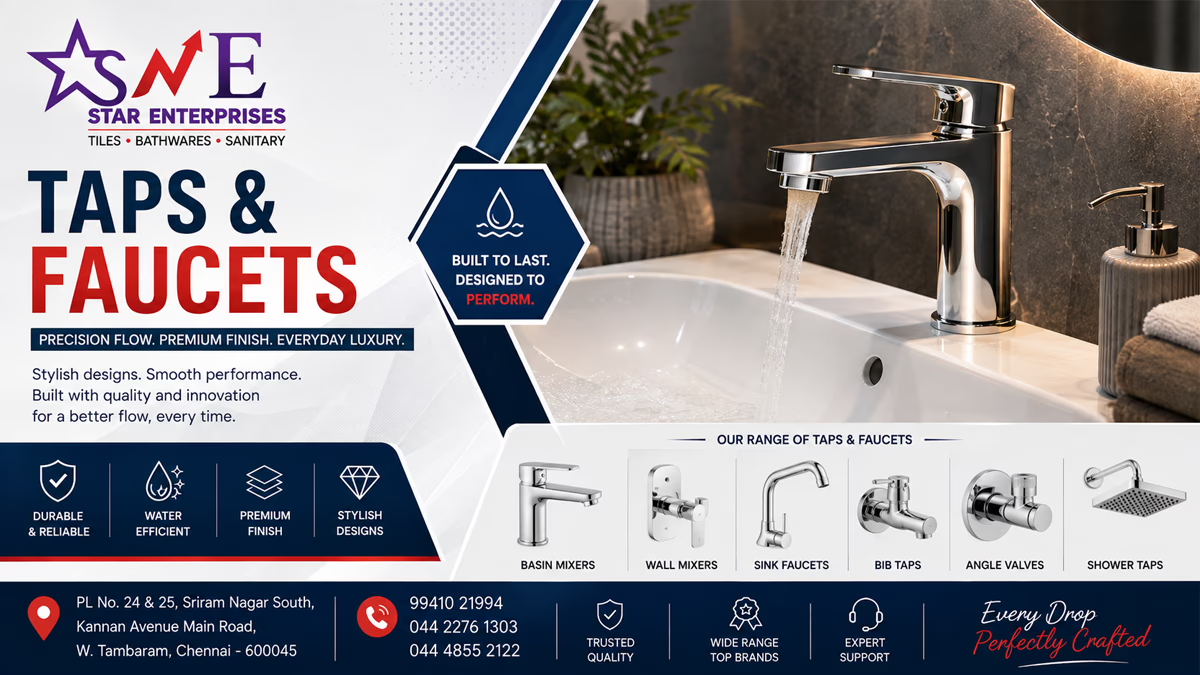
introduction
Complete guide to bathroom taps, faucets, basin mixers, pillar taps, wall-mounted taps, shower controls, finishes, installation, maintenance, price and showroom selection in Tambaram.
Taps & Faucets for Modern, Practical & Stylish Bathrooms
Taps and faucets are among the most frequently touched products in a bathroom. They control water delivery, influence everyday comfort and contribute strongly to the room’s visual character. The right tap should match the basin or shower application, water supply, mounting arrangement, available space and overall design. This guide helps homeowners, builders, architects and renovators understand bathroom taps and faucets before making a purchase. For customers researching taps and faucets in Tambaram, physical comparison can also help because handle movement, spout reach, finish and proportions are difficult to judge from a photograph alone.
Before finalising the fitting, compare its exact dimensions with the real bathroom rather than relying on a catalogue image. A small difference in projection or height can change comfort and splash control.
The best choice balances function, compatibility, appearance, maintenance and total project cost. A tap should look good, but it should also place water correctly and remain practical to service.
What Are Taps & Faucets?
Taps and faucets are water-control fixtures used to start, stop and direct water. In bathroom projects the category can include basin taps, pillar taps, basin mixers, wall-mounted taps, shower controls, bath taps and related valves. Some products are designed for cold-water supply only, while mixers may combine hot and cold water. The exact terminology varies by market, but the selection principles remain similar: identify the application, verify the plumbing, confirm dimensions and then select the design and finish.
The manufacturer’s technical drawing should be the final installation reference. Similar-looking products can have different connection points, hole requirements and internal mechanisms.
Why Tap Selection Matters
A tap is used repeatedly every day, so poor selection can become a constant inconvenience. A spout that is too short may make washing awkward, while a spout that is too long can direct water beyond the basin. A tall mixer may not suit a shallow basin, and a wall-mounted tap requires accurate plumbing. Good selection therefore begins with the basin, shower or bath rather than the tap alone. Comfort, control, cleaning and serviceability should be considered alongside appearance.
For renovation work, photograph and measure the existing installation before removal. This provides useful evidence of the current connection arrangement.
Types of Bathroom Taps
Bathroom taps can be divided into pillar taps, basin mixers, single-lever mixers, wall-mounted taps, shower controls and specialised fittings. The correct category depends on the fixture and water supply. A two-hole basin may require a different arrangement from a single-hole basin. A wall-mounted tap needs a concealed or exposed wall connection at the correct height. Understanding the installation type before shopping prevents many compatibility problems.
A showroom visit is valuable for tapware because handle movement, spout reach, finish texture and proportions are easier to judge physically than on a screen.
Basin Taps
Basin taps are designed specifically for wash basins. They can be single taps or mixers depending on the water system. Important considerations include spout height, projection, mounting hole, handle position and water flow. A basin tap should direct water into the usable part of the bowl without excessive splash. Compare the tap with the actual basin model whenever possible. Countertop basins in particular may need a taller fitting than integrated or wall-hung basins.
Before finalising the fitting, compare its exact dimensions with the real bathroom rather than relying on a catalogue image. A small difference in projection or height can change comfort and splash control.
Pillar Taps
Pillar taps are individual hot and cold or individual supply taps installed through compatible basin holes. They can suit bathrooms where separate controls are preferred or where the basin is designed for two mounting points. Before purchase, check hole spacing, connection type, overall height and spout position. Pillar taps can also provide a traditional visual character, although modern collections offer clean contemporary shapes.
The manufacturer’s technical drawing should be the final installation reference. Similar-looking products can have different connection points, hole requirements and internal mechanisms.
Basin Mixers
A basin mixer combines water from hot and cold supplies through one outlet and normally uses one control or coordinated controls. Mixer height and spout projection are particularly important. The fitting should work with the basin’s rim and should not cause water to strike the wrong part of the bowl. Check whether the basin has a suitable tap hole and whether the mixer requires flexible connections or other components.
For renovation work, photograph and measure the existing installation before removal. This provides useful evidence of the current connection arrangement.
Single Lever Basin Mixers
Single-lever mixers allow the user to control flow and temperature through one handle. They are popular in modern bathrooms because they provide simple operation and a clean visual profile. When choosing one, compare handle clearance, spout reach, mixer height and basin depth. The cartridge and internal mechanism should be appropriate for the product. Installation should follow the manufacturer’s instructions rather than generic plumbing assumptions.
A showroom visit is valuable for tapware because handle movement, spout reach, finish texture and proportions are easier to judge physically than on a screen.
The best choice balances function, compatibility, appearance, maintenance and total project cost. A tap should look good, but it should also place water correctly and remain practical to service.
Wall-Mounted Basin Taps
Wall-mounted basin taps are installed into the wall rather than directly through the basin or counter. They can create a minimalist vanity appearance and leave the basin surface visually clear. Accurate plumbing is essential because the finished outlet height and projection determine where water lands. Wall depth, concealed body requirements and service access should be confirmed before tiles are installed.
Before finalising the fitting, compare its exact dimensions with the real bathroom rather than relying on a catalogue image. A small difference in projection or height can change comfort and splash control.
Hot & Cold Bathroom Taps
Hot and cold taps or mixers require appropriate hot and cold water connections. Confirm the home’s water-heating arrangement before choosing the fitting. A mixer designed for two supplies may not be suitable for a cold-only installation. The plumber should confirm pipe positions, pressure conditions and connection requirements before the wall or counter is finalised.
The manufacturer’s technical drawing should be the final installation reference. Similar-looking products can have different connection points, hole requirements and internal mechanisms.
Shower Taps and Shower Controls
Shower taps and controls regulate water entering the shower outlet. They may be exposed or concealed and may include diverter functions for multiple outlets. The product should be selected according to the shower system, water pressure and plumbing layout. Concealed controls require early planning because the internal body is installed before the final wall finish.
For renovation work, photograph and measure the existing installation before removal. This provides useful evidence of the current connection arrangement.
Bath Taps
Bath taps are selected according to the bath design and mounting arrangement. They may be deck mounted or wall mounted depending on the installation. Spout length, filling position and control access should be checked. A tap that projects too far or not far enough can make filling inefficient. Confirm the bath and tap dimensions together before installation.
A showroom visit is valuable for tapware because handle movement, spout reach, finish texture and proportions are easier to judge physically than on a screen.
Wall-Mounted Taps
Wall-mounted taps can create a clean appearance because the countertop or basin edge remains free of visible hardware. They require accurate rough-in plumbing and careful consideration of finished tile thickness. The final spout projection should place water correctly in the basin. Concealed components should remain serviceable according to the product system.
Before finalising the fitting, compare its exact dimensions with the real bathroom rather than relying on a catalogue image. A small difference in projection or height can change comfort and splash control.
Exposed Bathroom Taps
Exposed taps leave the functional body visible and can be useful in renovations where existing plumbing points are already established. They can still have a contemporary appearance. Their accessibility can also make inspection and replacement straightforward. Measure the existing connection before choosing an exposed replacement.
The manufacturer’s technical drawing should be the final installation reference. Similar-looking products can have different connection points, hole requirements and internal mechanisms.
Concealed Bathroom Taps
Concealed tap systems hide much of the plumbing and mechanism inside the wall. They can create a minimalist bathroom but demand accurate installation. The concealed body, finished wall thickness, outlet, handle position and service access must be coordinated. These products should be specified before waterproofing and tiling, not after.
For renovation work, photograph and measure the existing installation before removal. This provides useful evidence of the current connection arrangement.
The best choice balances function, compatibility, appearance, maintenance and total project cost. A tap should look good, but it should also place water correctly and remain practical to service.
Diverter Taps
Diverters allow water to be directed between multiple outlets, such as an overhead shower and hand shower. The diverter must match the number and type of outlets in the shower system. A concealed diverter requires accurate internal installation. Confirm the complete shower arrangement before choosing the diverter.
A showroom visit is valuable for tapware because handle movement, spout reach, finish texture and proportions are easier to judge physically than on a screen.
Bathroom Taps for Overhead Showers
Overhead shower systems can use dedicated controls or diverters. The tap or control should provide appropriate water flow for the selected shower head. Larger overhead showers may require adequate pressure and flow. Always check product specifications and the home’s actual water system before purchasing.
Before finalising the fitting, compare its exact dimensions with the real bathroom rather than relying on a catalogue image. A small difference in projection or height can change comfort and splash control.
Hand Shower Controls
Hand showers require a water outlet, hose and appropriate control. The holder should be positioned for comfortable reach, while the hose should be long enough without creating unnecessary loops. The control and holder should be coordinated with the shower area so operation remains easy when the floor is wet.
The manufacturer’s technical drawing should be the final installation reference. Similar-looking products can have different connection points, hole requirements and internal mechanisms.
Health Faucet Connections
Health faucets are commonly installed near toilets and require a suitable shut-off valve and hose connection. Although they are smaller than basin or shower fittings, connection quality matters. The holder should be positioned where it is easy to reach without interfering with the toilet or nearby wall accessories. Inspect the hose and connection periodically for leakage.
For renovation work, photograph and measure the existing installation before removal. This provides useful evidence of the current connection arrangement.
Bathroom Tap Finishes
Finish changes the visual character of a bathroom tap. Chrome is bright and versatile, matte black creates contrast, and brushed or satin finishes offer a softer appearance. Choose finishes as a coordinated family with the shower, basin tap, flush plate and accessories. Physical samples are useful because lighting can change how metallic finishes appear.
A showroom visit is valuable for tapware because handle movement, spout reach, finish texture and proportions are easier to judge physically than on a screen.
Chrome Bathroom Taps
Chrome remains a flexible choice for many bathrooms. Its reflective surface can work with white sanitaryware, colourful tiles and many interior styles. Chrome also coordinates naturally with other polished metal products. When selecting a chrome tap, compare the actual surface quality and manufacturer care instructions rather than relying only on catalogue photography.
Before finalising the fitting, compare its exact dimensions with the real bathroom rather than relying on a catalogue image. A small difference in projection or height can change comfort and splash control.
Matte Black Bathroom Taps
Matte black taps can create a strong contemporary contrast, particularly against light tiles and white sanitaryware. A consistent black finish across taps, shower controls, accessories and flush plates can make the design feel intentional. Cleaning should follow the manufacturer’s guidance because coated finishes can respond differently to chemicals and abrasive materials.
The manufacturer’s technical drawing should be the final installation reference. Similar-looking products can have different connection points, hole requirements and internal mechanisms.
The best choice balances function, compatibility, appearance, maintenance and total project cost. A tap should look good, but it should also place water correctly and remain practical to service.
Brushed & Satin Bathroom Taps
Brushed and satin finishes provide a lower-reflection appearance and can suit modern or transitional bathrooms. The texture can also soften the visual effect of metallic hardware. Compare samples across the entire bathroom because different collections may have slightly different tones or brushing patterns.
For renovation work, photograph and measure the existing installation before removal. This provides useful evidence of the current connection arrangement.
Gold & Special Finish Taps
Special finishes can become a design feature in a premium bathroom. Gold-toned, bronze-toned or other decorative finishes should be selected with the tiles, sanitaryware and lighting in mind. Because such finishes can be visually dominant, a restrained palette around them usually works well.
A showroom visit is valuable for tapware because handle movement, spout reach, finish texture and proportions are easier to judge physically than on a screen.
Modern Bathroom Tap Designs
Modern tap designs often use simple cylindrical, rectangular or softly curved forms. A contemporary bathroom does not need an unusual tap shape; proportion and coordination can create a modern result. Choose a design that remains comfortable to operate and easy to clean. The handle should have sufficient clearance from walls, mirrors and other objects.
Before finalising the fitting, compare its exact dimensions with the real bathroom rather than relying on a catalogue image. A small difference in projection or height can change comfort and splash control.
Bathroom Taps for Small Bathrooms
Small bathrooms need fittings that do not overwhelm the space. Compact basin mixers and carefully positioned wall-mounted taps can preserve useful counter and circulation space. Avoid selecting a fitting only because it is physically small; the spout still needs to reach the correct part of the basin. Handle clearance is equally important in tight areas.
For renovation work, photograph and measure the existing installation before removal. This provides useful evidence of the current connection arrangement.
Bathroom Taps for Large Bathrooms
Large bathrooms provide more flexibility for larger basins, double vanities and generous shower systems. Tap proportions should relate to the scale of the fixture. A tiny tap on a very large vanity can look unbalanced, while an oversized fitting may dominate the room. Compare the fitting against the complete vanity and mirror design.
A showroom visit is valuable for tapware because handle movement, spout reach, finish texture and proportions are easier to judge physically than on a screen.
Bathroom Taps for Master Bathrooms
Master bathrooms may use multiple tap types across the basin, shower and bath zones. A coordinated collection can create a premium appearance. The basin mixer should match the basin, while shower controls should match the shower outlets. Keep the finish consistent unless an intentional contrast has been designed.
Before finalising the fitting, compare its exact dimensions with the real bathroom rather than relying on a catalogue image. A small difference in projection or height can change comfort and splash control.
The best choice balances function, compatibility, appearance, maintenance and total project cost. A tap should look good, but it should also place water correctly and remain practical to service.
Bathroom Taps for Guest Bathrooms
Guest bathrooms benefit from intuitive controls and straightforward maintenance. Neutral finishes can coordinate with many tile styles and sanitaryware designs. The basin tap should be easy to operate, while shower controls should be understandable to visitors. Avoid unnecessary complexity unless it provides a clear benefit.
The manufacturer’s technical drawing should be the final installation reference. Similar-looking products can have different connection points, hole requirements and internal mechanisms.
Bathroom Taps for Apartments
Apartment bathrooms often have fixed plumbing points and limited counter space. Measure the existing tap hole, connection and basin before selecting a replacement. A tap designed for a different installation can require plumbing changes. For rented or recently completed apartments, keeping the original product documentation can simplify future replacement.
For renovation work, photograph and measure the existing installation before removal. This provides useful evidence of the current connection arrangement.
Bathroom Taps for Villas
Villa projects may include several bathrooms with different styles. Taps can be coordinated across the property while allowing each bathroom to have its own character. Plan the fittings alongside sanitaryware and tiles so that connection points and finish choices remain consistent.
A showroom visit is valuable for tapware because handle movement, spout reach, finish texture and proportions are easier to judge physically than on a screen.
Bathroom Taps for New Construction
New construction allows tap positions to be designed before walls and counters are finished. This is particularly important for wall-mounted and concealed taps. Provide the installer with the exact product drawing and dimensions. Confirm finished floor and tile levels before setting the final outlet height.
Before finalising the fitting, compare its exact dimensions with the real bathroom rather than relying on a catalogue image. A small difference in projection or height can change comfort and splash control.
Bathroom Taps for Renovation
Renovation can be an ideal time to upgrade tapware, but the existing plumbing must be checked first. A like-for-like replacement may be simple, while changing to a wall-mounted or concealed system can require construction work. Photograph and measure the old installation before removal.
The manufacturer’s technical drawing should be the final installation reference. Similar-looking products can have different connection points, hole requirements and internal mechanisms.
Bathroom Taps for Rental Properties
Rental properties usually benefit from practical taps that are easy to maintain and replace. Neutral designs have broad appeal and can work with different future bathroom updates. If replacement availability matters, consider a collection with identifiable model information and service components.
For renovation work, photograph and measure the existing installation before removal. This provides useful evidence of the current connection arrangement.
Bathroom Taps for Commercial Bathrooms
Commercial bathrooms experience frequent use and cleaning, so tap selection should consider durability, maintenance access and expected traffic. Standardising fittings across multiple washrooms can simplify service. Commercial installations should also account for applicable plumbing and accessibility requirements through the responsible professionals.
A showroom visit is valuable for tapware because handle movement, spout reach, finish texture and proportions are easier to judge physically than on a screen.
The best choice balances function, compatibility, appearance, maintenance and total project cost. A tap should look good, but it should also place water correctly and remain practical to service.
Bathroom Taps for Hotels & Guesthouses
Hospitality taps need to balance appearance, frequent operation and maintenance. A consistent collection can make rooms feel coordinated and simplify replacement. Controls should be intuitive for guests, while service access should remain practical for maintenance teams.
Before finalising the fitting, compare its exact dimensions with the real bathroom rather than relying on a catalogue image. A small difference in projection or height can change comfort and splash control.
Bathroom Taps for Offices
Office bathrooms need reliable, straightforward fittings that support frequent use. Basin taps should be easy to operate and clean, and shower fittings where provided should have intuitive controls. Coordinating finish across taps, accessories and sanitaryware can maintain a professional appearance.
The manufacturer’s technical drawing should be the final installation reference. Similar-looking products can have different connection points, hole requirements and internal mechanisms.
Water Pressure and Bathroom Taps
Water pressure affects how taps and showers perform. A fitting may have specific operating requirements, particularly in complex shower systems. Before purchasing, understand whether the water is supplied by a municipal line, tank, pump or other arrangement and ask the installer to verify compatibility.
For renovation work, photograph and measure the existing installation before removal. This provides useful evidence of the current connection arrangement.
Tap Flow and Water Efficiency
Water-efficient taps can help manage consumption when their flow remains suitable for the intended task. Aerators and flow-control components can influence the stream. Check the manufacturer’s specifications rather than assuming every mixer has the same flow rate. A leaking tap can waste water regardless of its rated efficiency.
A showroom visit is valuable for tapware because handle movement, spout reach, finish texture and proportions are easier to judge physically than on a screen.
Tap Aerators
Aerators can mix air with water and shape the stream from a tap. They may also influence perceived flow. If the stream becomes uneven, an aerator may need cleaning or replacement. Use compatible parts and avoid forcing a fitting that has become mineralised.
Before finalising the fitting, compare its exact dimensions with the real bathroom rather than relying on a catalogue image. A small difference in projection or height can change comfort and splash control.
Tap Cartridges
Many mixer taps use cartridges to control water flow and temperature. Cartridge performance can eventually change with usage and water conditions. A stiff handle, dripping mixer or inconsistent temperature may indicate a service issue. Use compatible replacement components and follow the manufacturer’s instructions.
The manufacturer’s technical drawing should be the final installation reference. Similar-looking products can have different connection points, hole requirements and internal mechanisms.
Bathroom Taps and Hard Water
Mineral deposits can accumulate around tap outlets, handles and connections in hard-water conditions. Regular gentle cleaning can reduce buildup. Use a finish-compatible cleaning method and avoid abrasive tools or aggressive chemicals. If deposits return quickly, discuss an appropriate maintenance approach with a qualified professional.
For renovation work, photograph and measure the existing installation before removal. This provides useful evidence of the current connection arrangement.
The best choice balances function, compatibility, appearance, maintenance and total project cost. A tap should look good, but it should also place water correctly and remain practical to service.
Tap Installation
Tap installation should follow the product instructions and be performed by a competent plumber. Correct sealing, alignment, connection and tightening are important. Excessive force can damage threads or internal components. After installation, test the fitting at normal pressure and inspect all visible connections.
A showroom visit is valuable for tapware because handle movement, spout reach, finish texture and proportions are easier to judge physically than on a screen.
Wall-Mounted Tap Installation
Wall-mounted taps require accurate rough-in positions because the final outlet and handle are visible after finishing. The concealed body must be installed at the correct depth and orientation. Account for waterproofing and tile thickness before finalising the wall. Keep the designed service access available.
Before finalising the fitting, compare its exact dimensions with the real bathroom rather than relying on a catalogue image. A small difference in projection or height can change comfort and splash control.
Basin Mixer Installation
Basin mixers should be installed with suitable washers and connections according to the product instructions. The mixer must be aligned and secured without damaging the basin or counter. Check the spout position before final tightening. After connection, run the water and inspect beneath the basin for leaks.
The manufacturer’s technical drawing should be the final installation reference. Similar-looking products can have different connection points, hole requirements and internal mechanisms.
Shower Mixer Installation
Shower mixers need accurate hot and cold connections where applicable. The outlet height and control location should be comfortable for users. For concealed systems, verify the internal body before waterproofing and tiling. Test the shower at normal operating conditions after installation.
For renovation work, photograph and measure the existing installation before removal. This provides useful evidence of the current connection arrangement.
Tap Cleaning and Maintenance
Regular cleaning helps preserve tap appearance and operation. Use a soft cloth and cleaning product suitable for the finish. Do not use abrasive pads or harsh chemicals unless the manufacturer specifically approves them. Wipe water and soap residue periodically rather than allowing heavy buildup.
A showroom visit is valuable for tapware because handle movement, spout reach, finish texture and proportions are easier to judge physically than on a screen.
Tap Leak Prevention
Leaks can occur because of incorrect connections, worn seals, damaged threads or component wear. Proper installation and compatible parts reduce risk. Do not overtighten connections to stop a leak because excessive force can cause damage. Identify the source and repair it appropriately.
Before finalising the fitting, compare its exact dimensions with the real bathroom rather than relying on a catalogue image. A small difference in projection or height can change comfort and splash control.
Tap Serviceability
A tap should not be evaluated only for its appearance. Ask whether common service components such as cartridges, aerators, washers or hoses are available. Keep the product model and purchase information after installation. This can save time during future maintenance.
The manufacturer’s technical drawing should be the final installation reference. Similar-looking products can have different connection points, hole requirements and internal mechanisms.
The best choice balances function, compatibility, appearance, maintenance and total project cost. A tap should look good, but it should also place water correctly and remain practical to service.
Bathroom Tap Price
Tap price varies by type, material, finish, design, cartridge, collection and brand. A basic pillar tap and a concealed thermostatic shower system are naturally different products. Installation can also affect the total cost. Compare the complete requirement rather than using one generic price as the benchmark.
For renovation work, photograph and measure the existing installation before removal. This provides useful evidence of the current connection arrangement.
How to Build a Tap Budget
List every tap required for each bathroom, including basin mixers, shower controls, health-faucet valves and any bath fittings. Add accessories, hoses, angle valves and installation where applicable. For multiple bathrooms, prepare a room-by-room schedule so quantities and finishes remain consistent.
A showroom visit is valuable for tapware because handle movement, spout reach, finish texture and proportions are easier to judge physically than on a screen.
How to Choose Bathroom Taps
Start with the fixture and plumbing, then confirm mounting type, dimensions and water supply. Check spout reach and handle clearance. After technical compatibility is confirmed, compare design and finish. Finally verify maintenance, service availability, current price and delivery.
Before finalising the fitting, compare its exact dimensions with the real bathroom rather than relying on a catalogue image. A small difference in projection or height can change comfort and splash control.
Bathroom Taps and Wash Basins
The basin and tap should be selected together. Countertop basins may need taller mixers, while integrated basins often suit lower profiles. Wall-mounted taps require accurate outlet positioning. The water stream should land comfortably inside the bowl without excessive splash.
The manufacturer’s technical drawing should be the final installation reference. Similar-looking products can have different connection points, hole requirements and internal mechanisms.
Bathroom Taps and Toilets
Toilet areas commonly require an angle valve and, where used, a health faucet. These should be coordinated with the toilet position and wall accessories. The finish can match the basin and shower fittings to create a consistent bathroom hardware scheme.
For renovation work, photograph and measure the existing installation before removal. This provides useful evidence of the current connection arrangement.
Bathroom Taps and Showers
Basin taps and shower fittings can share the same finish and design language. A complete shower may include a mixer, diverter, overhead shower and hand shower. Plan the system together so each component has compatible connections and appropriate flow.
A showroom visit is valuable for tapware because handle movement, spout reach, finish texture and proportions are easier to judge physically than on a screen.
Bathroom Taps and Bathroom Tiles
Tap finishes interact with tile colour and texture. Chrome can complement many surfaces, while matte black can create contrast against light tiles. Metallic special finishes can become focal points. Compare physical samples under the planned lighting before finalising.
Before finalising the fitting, compare its exact dimensions with the real bathroom rather than relying on a catalogue image. A small difference in projection or height can change comfort and splash control.
The best choice balances function, compatibility, appearance, maintenance and total project cost. A tap should look good, but it should also place water correctly and remain practical to service.
Bathroom Taps and Accessories
Towel rails, hooks, toilet-roll holders and other accessories can use the same finish as taps. Consistency helps the bathroom look intentional. Avoid adding too many different metals unless the contrast is deliberately designed.
The manufacturer’s technical drawing should be the final installation reference. Similar-looking products can have different connection points, hole requirements and internal mechanisms.
Bathroom Taps and Mirrors
Mirror position should be considered alongside the basin tap, particularly for tall mixers and wall-mounted taps. The fitting should not interfere with the usable mirror area. Lighting should also illuminate the basin without creating excessive glare on reflective chrome.
For renovation work, photograph and measure the existing installation before removal. This provides useful evidence of the current connection arrangement.
Bathroom Taps and Vanity Units
Vanity design determines the available space for a basin mixer and internal plumbing. Countertop basins can require taller fittings, while under-counter basins may suit a more conventional mixer. Ensure the cabinet provides clearance for flexible connections and the waste trap.
A showroom visit is valuable for tapware because handle movement, spout reach, finish texture and proportions are easier to judge physically than on a screen.
Bathroom Taps and Complete Bathroom Design
The strongest bathroom designs treat taps as part of a coordinated system. Sanitaryware, tiles, showers, taps, accessories and vanity furniture should share an intentional visual relationship. Technical compatibility should be resolved before the decorative finish is chosen.
Before finalising the fitting, compare its exact dimensions with the real bathroom rather than relying on a catalogue image. A small difference in projection or height can change comfort and splash control.
Taps & Faucets for Indian Bathrooms
Indian bathrooms often combine compact basins, showers, health faucets and toilets in the same room. Space, water pressure and plumbing arrangement can therefore have a strong influence on fitting selection. Choose products according to the actual installation rather than generic room assumptions.
The manufacturer’s technical drawing should be the final installation reference. Similar-looking products can have different connection points, hole requirements and internal mechanisms.
Taps & Faucets for Chennai Homes
Homeowners in Chennai should consider the actual water supply, pressure, cleaning routine and bathroom environment. Regular maintenance is useful where mineral deposits or frequent water exposure affect visible fittings. The exact product finish should be selected according to its care requirements.
For renovation work, photograph and measure the existing installation before removal. This provides useful evidence of the current connection arrangement.
Taps & Faucets in Tambaram
Customers searching for taps and faucets in Tambaram can benefit from seeing different tap heights, spout shapes, handles and finishes in person. Star Enterprises in West Tambaram provides a local showroom destination for bathroom product comparison. Bring the basin model, measurements and plumbing information when possible.
A showroom visit is valuable for tapware because handle movement, spout reach, finish texture and proportions are easier to judge physically than on a screen.
The best choice balances function, compatibility, appearance, maintenance and total project cost. A tap should look good, but it should also place water correctly and remain practical to service.
Taps Showroom in Tambaram
A showroom comparison is useful because tap proportions and handle operation are easier to understand physically. Customers can compare basin mixers, pillar taps, wall-mounted designs and finishes. At Star Enterprises, tap selection can also be coordinated with sanitaryware, showers, tiles and bathroom accessories.
Before finalising the fitting, compare its exact dimensions with the real bathroom rather than relying on a catalogue image. A small difference in projection or height can change comfort and splash control.
Taps Near Me
A search for taps near me often indicates immediate comparison or purchase intent. A local showroom lets customers inspect finish quality, handle movement and physical dimensions. Customers around Tambaram can visit Star Enterprises in West Tambaram and compare suitable products against their bathroom requirements.
The manufacturer’s technical drawing should be the final installation reference. Similar-looking products can have different connection points, hole requirements and internal mechanisms.
Taps & Faucets Buying Checklist
Before ordering, confirm application, mounting type, basin or shower compatibility, water supply, dimensions, spout reach, handle clearance, connection type, finish, maintenance requirements, service support, current price and availability. Keep the exact model information after purchase.
For renovation work, photograph and measure the existing installation before removal. This provides useful evidence of the current connection arrangement.
Common Tap Buying Mistakes
Common mistakes include choosing a tap before selecting the basin, ignoring spout reach, buying a concealed tap after tiling, failing to check hot and cold compatibility, mixing unrelated finishes and comparing price without installation requirements. Measure first and verify the technical system.
A showroom visit is valuable for tapware because handle movement, spout reach, finish texture and proportions are easier to judge physically than on a screen.
How to Compare Taps in a Showroom
Group taps by application and installation type. Compare similar basin mixers with similar basins rather than comparing unrelated products. Operate the handle, inspect spout reach and look at the finish under showroom lighting. Ask about installation, service components, maintenance and current availability.
Before finalising the fitting, compare its exact dimensions with the real bathroom rather than relying on a catalogue image. A small difference in projection or height can change comfort and splash control.
Long-Term Value of Bathroom Taps
Long-term value includes reliable operation, comfortable control, serviceability, suitable finish and correct installation. A cheaper tap that cannot be serviced or does not fit the basin can become more expensive over time. Consider the complete ownership experience.
The manufacturer’s technical drawing should be the final installation reference. Similar-looking products can have different connection points, hole requirements and internal mechanisms.
Final Tap Selection Process
Use a simple process: identify the bathroom fixture, measure the installation, verify plumbing and water pressure, shortlist compatible products, compare physical samples, coordinate the finish and then confirm price and availability. This keeps design decisions grounded in practical requirements.
For renovation work, photograph and measure the existing installation before removal. This provides useful evidence of the current connection arrangement.
The best choice balances function, compatibility, appearance, maintenance and total project cost. A tap should look good, but it should also place water correctly and remain practical to service.
Visit Star Enterprises for Taps & Faucets in Tambaram
If you are looking for taps and faucets in Tambaram, visit Star Enterprises in West Tambaram with your bathroom measurements, photographs and basin or sanitaryware information. Compare suitable basin taps, mixers, wall-mounted taps, shower controls and finishes in person. You can coordinate the selection with sanitaryware, wash basins, toilets, showers, bathroom fittings and tiles. Ask about exact dimensions, compatibility, installation, maintenance, current availability and current pricing before ordering.
A showroom visit is valuable for tapware because handle movement, spout reach, finish texture and proportions are easier to judge physically than on a screen.
Taps & Faucets FAQ
What are taps and faucets?
Taps and faucets are fixtures that control and direct water. Bathroom examples include basin taps, mixers, shower controls, wall-mounted taps and related valves.
Which tap is best for a bathroom basin?
The correct tap depends on the basin’s mounting style, tap-hole arrangement, depth, water supply and required spout reach.
What is a basin mixer?
A basin mixer combines water flow and temperature control in one fitting where compatible hot and cold supplies are available.
What is a pillar tap?
A pillar tap is an individual tap installed through a compatible basin mounting hole.
Are wall-mounted taps good?
Wall-mounted taps can create a clean appearance but require accurate plumbing and appropriate wall construction.
Which finish is best for bathroom taps?
Chrome, matte black, brushed and other finishes can all work. Choose according to design, maintenance and coordination with the bathroom.
Do taps work with hard water?
Taps can be used with hard water, but mineral deposits may require regular, finish-compatible cleaning and maintenance.
How much do bathroom taps cost?
Price varies by type, design, finish, brand, collection and installation requirements. Check the current price of the exact model.
How do I choose a bathroom tap?
Start with the basin, shower or bath and its plumbing. Confirm dimensions and compatibility, then select design, finish, maintenance approach and budget.
Can I replace taps during bathroom renovation?
Yes. Confirm existing connections and tap-hole arrangements before purchasing. Wall-mounted or concealed changes may require additional plumbing work.
Where can I buy taps and faucets in Tambaram?
Customers searching for taps and faucets in Tambaram can visit Star Enterprises in West Tambaram to compare suitable products.
Where can I find a taps showroom in Tambaram?
Star Enterprises in West Tambaram provides a local showroom destination for customers comparing bathroom taps and faucets.
What should I take to a tap showroom?
Bring bathroom photographs, basin or sanitaryware details, measurements and information about the existing plumbing and hot-water arrangement.
Visit Star Enterprises for Taps & Faucets in Tambaram
Compare bathroom taps, faucets, basin mixers, pillar taps, wall-mounted taps and shower controls at Star Enterprises, West Tambaram.
Sanitaryware · Bathroom Fittings · Wash Basins · Toilets & Closets · Showers · Bathroom Tiles · Bathroom Floor Tiles · Bathroom Wall Tiles · Showroom · Contact