
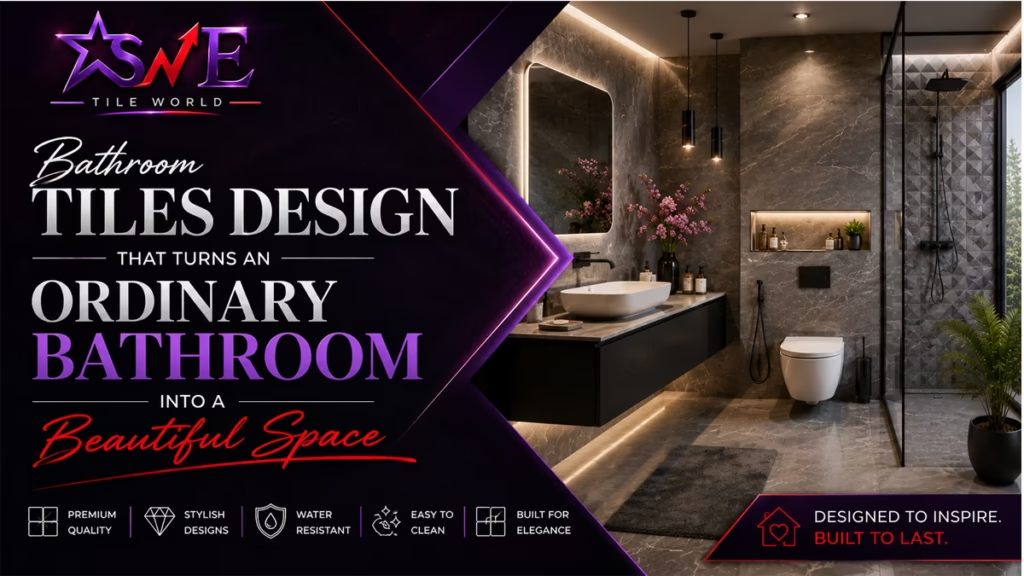
Introduction
A bathroom may be one of the smallest rooms in a home, but the right bathroom tiles design can completely change how the space looks and feels.
Tiles influence almost everything about a bathroom: how large or small it appears, how much light it reflects, how easy it is to clean, how safe the floor feels when wet, and whether the finished room reads as simple, luxurious, modern or timeless.
For Indian homes, tile selection also has to account for everyday realities — humidity, constant water exposure, hard-water marks, frequent cleaning, and bathrooms that are often more compact than the ones shown in international design photos.
In 2026, bathroom design is settling into a balance of beauty and practicality. Large-format surfaces, marble-look finishes, earthy colour palettes, textured walls and calmer natural tones are all gaining ground over busier, trend-heavy looks.
So instead of picking a tile because it looked good in a showroom display, it helps to think about the whole bathroom — its size, its lighting, its usage — before deciding on a design.
Here are 25+ bathroom tiles design ideas to help you plan a bathroom that looks good today and still works well years from now.
25+ Bathroom Tiles Design Ideas
1. Modern Marble-Look Bathroom Tiles
Marble-look tiles are one of the easiest ways to create a premium appearance without making the room feel visually heavy. White marble patterns with soft grey veining work especially well on walls. For a more contemporary look, pair a marble-look wall with a matte grey or beige floor — the contrast keeps the space from feeling flat while the overall palette still reads as clean and upscale.
2. Elegant White Bathroom Tiles
White tiles remain a timeless choice because they reflect light and can make a compact bathroom feel more open than it actually is. They also sit comfortably with almost any fitting colour — chrome, black, brass or brushed metal. If plain white feels too flat, a subtly textured white tile adds character without disturbing the light, airy effect.
3. Modern Grey Bathroom Tiles
Grey is one of the most flexible colours in bathroom design. A light-grey wall with a slightly darker grey floor creates depth without pulling the room toward a dark, closed-in feeling. Grey also pairs naturally with marble patterns, wood-look surfaces and black fittings, which is why it shows up so often in contemporary bathroom schemes.
4. Warm Beige Bathroom Tiles
Bathroom colour palettes are shifting toward warmer, more natural tones. Beige, sand, taupe and warm stone shades give a bathroom a calmer, more welcoming feel than a cooler white-grey scheme. These colours work particularly well with wooden vanity units, warm-toned lighting and simple sanitaryware.
5. Large-Format Bathroom Tiles
Large-format tiles create a cleaner appearance because there are fewer grout lines interrupting the surface — especially noticeable on bigger walls. That said, large tiles need accurate installation and a properly prepared base, so this is a decision to make with your tile fitter rather than by aesthetics alone.
6. Fluted and Textured Bathroom Tiles
Texture is a strong way to add personality without leaning on bold colour. Fluted tiles, vertical ribbing and carved surfaces work well as a feature wall behind a vanity or inside a shower recess. The key is restraint — one well-placed textured wall usually looks better than covering every surface in a strong texture. This is one of the standout directions in 2026 bathroom design.
7. Terrazzo Bathroom Tiles
Terrazzo-style tiles bring in flecks and subtle pattern without needing a heavily decorative wall. They suit floors or a single feature area especially well. Pairing terrazzo with plain, neutral wall tiles keeps the overall look balanced rather than busy.
8. Geometric Bathroom Tiles
Hexagons, diamonds and other geometric shapes make a strong visual statement. Rather than using them across the whole bathroom, confine geometric tiles to one feature wall or a clearly defined zone — that way the pattern stays interesting instead of becoming overwhelming.
9. Subway-Style Bathroom Tiles
Simple rectangular tiles laid in a classic subway pattern suit both traditional and modern bathrooms. White subway tiles keep things clean, while dark grout adds definition and a slightly more graphic look. This is a good option when you want a design that won’t feel dated in a few years.
10. Natural Stone-Look Bathroom Tiles
Stone-look tiles bring an earthy quality into a bathroom. Travertine-, sandstone- and slate-inspired finishes create a relaxed, grounded atmosphere while giving you the visual richness of natural stone without its maintenance demands. They pair especially well with warm lighting and natural-toned accessories.
11. Matte Bathroom Tiles
Matte finishes give a softer, more understated look — a good fit for bathrooms aiming for a calm, sophisticated feel rather than a highly reflective one. For floors specifically, always check the tile’s actual slip-resistance rating rather than assuming a matte finish is automatically non-slip.
12. Glossy Bathroom Wall Tiles
Glossy tiles bounce light around a room, which is useful on walls in smaller bathrooms where extra brightness matters. On floors, though, a highly polished or glossy finish should not be treated as a safe default for a wet area — that’s a decision for the anti-skid category below.
13. Anti-Skid Bathroom Floor Tiles
Bathroom floors carry a different priority from decorative walls: safety. Water, soap and shampoo residue can make surfaces slippery fast, so floor tiles should always be chosen based on their intended wet-area application and slip-resistance rating — not on looks alone. A practical, well-designed bathroom often pairs a decorative wall tile with a suitably matte or anti-skid bathroom floor tile.
14. Simple Bathroom Tiles Design
Simple doesn’t mean boring. Warm white walls, light-grey flooring and one subtle feature strip can produce a clean, timeless bathroom. In smaller homes especially, simplicity often makes a room feel larger, since there are fewer competing visual elements pulling the eye around.
15. Luxury Bathroom Tiles Design
Luxury doesn’t come from using the single most expensive tile in the showroom — it comes from consistency across several choices working together: marble-look surfaces, large-format tiles, warm lighting, coordinated sanitaryware, premium-looking fittings, a restrained colour palette, and one strong feature wall. The goal is visual harmony, not just a higher price tag.
16. Small Bathroom Tiles Design
Small bathrooms need particularly careful planning. Light colours open the space up, and keeping wall and floor tones close together reduces visual fragmentation. Large-format tiles can help by reducing grout lines, though the room’s dimensions and installation conditions should guide that decision. Vertical tile layouts also draw the eye upward, creating an impression of extra height.
17. Two-Tone Bathroom Tile Design
One of the simplest ways to get a designer look is to use two related colours — light beige walls with a darker beige floor, light grey walls with a charcoal floor, or white marble-look walls with a warm grey floor. The important thing is coordination: the two tiles should look like they belong together, not like they were picked independently.
18. Feature-Wall Bathroom Tiles
A feature wall lets you use a bolder design without overwhelming the whole room. Good spots include behind the vanity, behind the wash basin, inside the shower area, behind a freestanding bathtub, or on the wall visible from the doorway. Use the feature tile to create a focal point, then keep the surrounding surfaces quieter.
19. Shower Area Tile Design
The shower naturally becomes a focal point of the bathroom, so it’s a good place to introduce a different tile — for instance, neutral wall tiles throughout the room paired with a textured or marble-look tile inside the shower recess. As always, balance the look with realistic cleaning and maintenance expectations for that zone.
20. Vanity Wall Tile Design
The wall behind the mirror and basin is another prime spot for a design statement. Vertical textures, stone patterns, marble-look tiles and subtle geometric designs all work well here. Because this wall is viewed directly and often, even a modest design choice can have an outsized visual impact.
21. Earthy and Natural Bathroom Tiles
Earth-inspired bathrooms are becoming more popular as an alternative to the classic white-and-grey scheme. Warm beige, sand, taupe, terracotta-inspired and natural stone shades create a softer, more organic feel — especially effective alongside wooden-look cabinetry, warm lighting and a few plants. This warmer, more organic direction is one of the clearer shifts in 2026 bathroom trends.
22. Minimalist Bathroom Tiles
Minimalist bathrooms rely on clean lines and few distractions. A dependable formula is one primary wall tile, one floor tile, simple fittings and controlled lighting. Done well, this restrained approach often reads as more premium than a bathroom packed with unrelated patterns.
23. Patterned Bathroom Tiles
Patterned tiles are a great way to add personality — the trick is controlling where the pattern appears. A patterned floor paired with plain walls, for example, creates a strong focal point without tipping the whole room into visual clutter.
24. Wood-Look Bathroom Tiles
Wood-look tiles bring warmth into a room where stone and ceramic surfaces might otherwise feel cold. They pair naturally with beige, cream, white and earthy tones. A wood-look feature wall combined with a stone-look floor is an easy way to create a modern, spa-inspired bathroom.
25. Hotel-Style Bathroom Tiles
For a premium, hotel-inspired bathroom, focus on consistency rather than decoration: large-format marble-look walls, darker matte flooring, minimal visible grout, warm lighting, large mirrors, coordinated fittings and clean glass shower partitions. The effect comes from restraint and cohesion, not from adding more elements.
How to Choose the Right Bathroom Tiles Design
Choosing the right design starts with the room, not the tile.
First, consider the bathroom’s size. A compact bathroom generally benefits from lighter colours, controlled patterns and visually consistent surfaces that don’t chop the room into segments.
Next, think about where the tile will actually be installed. Wall and floor tiles don’t need to match exactly — complementary tiles often create a much better sense of visual separation than an all-identical scheme.
Then think about finish. A glossy wall tile can help bounce light around the room, while a suitably matte or anti-skid floor tile offers a more practical underfoot surface for a wet space.
Finally, factor in maintenance. A beautiful bathroom that’s a chore to clean every single day quickly stops feeling beautiful.
Bathroom Wall Tiles vs Bathroom Floor Tiles
This distinction matters more than most people realise when planning a bathroom.
Wall Tiles
Bathroom wall tiles give you far more freedom for decorative choices, since they don’t have to deal with standing water or foot traffic. Popular options include marble-look tiles, glossy tiles, textured tiles, fluted tiles, geometric patterns, mosaic accents and large-format tiles.
Floor Tiles
Bathroom flooring needs to prioritise practical performance and slip resistance above all else. Popular directions here include matte stone-look tiles, anti-skid vitrified tiles, textured surfaces, and neutral tones like grey, beige, charcoal or terrazzo patterns.
The best bathrooms usually combine an attractive wall tile with a floor tile that’s specifically suited to wet-floor use — treating the two surfaces as related but separate decisions.
Best Bathroom Tiles Colour Combinations
Colour coordination alone can transform an ordinary bathroom into something that looks intentionally designed.
White + Grey — a timeless, modern combination that works in almost any bathroom size.
Beige + Brown — warm, natural and easy to live with.
White + Wood — calm and contemporary, especially with warm lighting.
Grey + Charcoal — strong and sophisticated, well suited to larger bathrooms.
Beige + Stone — ideal for a natural, spa-like feel.
White + Green — fresh and increasingly popular in nature-inspired interiors.
The key is avoiding too many competing colours in one small room. Two primary tones plus one small accent are usually enough to create real visual interest.
Bathroom Tiles Design for Indian Homes
Indian bathrooms come with practical requirements that should shape tile selection just as much as aesthetics do. Humidity, frequent cleaning, constant water exposure and hard-water deposits can all affect how a surface looks over time — which is why easy maintenance, appropriate flooring and durable materials matter just as much as appearance.
Bathroom sizes in most Indian homes also tend to be more compact than the large format bathrooms shown in international design photography, so scaling a design down sensibly is important.
The best bathroom tiles design, in the end, isn’t necessarily the most fashionable one — it’s the one that works for your bathroom, your family and your daily routine.
How to Make a Small Bathroom Look Bigger With Tiles
You don’t need to physically enlarge a bathroom to make it feel more spacious. A few tile-driven strategies help:
- Use lighter wall colours.
- Reduce unnecessary visual breaks between surfaces.
- Keep floor and wall tones within a coordinated colour family.
- Consider larger tile formats where installation conditions allow.
- Use vertical layouts to emphasise height.
- Avoid covering every surface with a strong pattern.
- Pair the tile design with the right mirrors and lighting.
The overall objective is visual continuity — fewer interruptions for the eye means a bathroom that reads as larger than its actual floor area.
Common Bathroom Tile Design Mistakes
Choosing appearance over safety. A beautiful floor isn’t useful if it becomes dangerous the moment it gets wet.
Using too many patterns. Multiple competing patterns can make a small bathroom feel chaotic rather than curated.
Ignoring tile size relative to the room. Tile size should work with the room’s dimensions and installation conditions, not just current trends.
Skipping maintenance considerations. Highly textured surfaces can demand more cleaning attention than smooth ones.
Copying a showroom bathroom exactly. A design that looks striking in a large showroom display may not translate well into a compact home bathroom.
Chasing trends without thinking long-term. A bathroom renovation typically has to last for years — timeless combinations tend to offer better long-term value than a design built entirely around this year’s trend.
Where to Buy Bathroom Tiles in West Tambaram
Once you’ve shortlisted a design direction, the next step is comparing actual tile samples rather than deciding from photographs alone — colour, texture and finish can all look different in person than they do on a screen.
For homeowners around West Tambaram and nearby areas, Star Enterprises is a convenient local showroom for exploring tile options alongside other bathroom requirements, with wall and floor tiles among the offerings on display at the Krishna Nagar Extension, Mudichur Road location.
Browse the full Bathroom Tiles range online, or visit the showroom in Tambaram to see samples of wall tiles, floor tiles and finishes side by side before making a final decision.
Final Bathroom Tiles Design Checklist
Before purchasing tiles, check:
- Bathroom size
- Wall and floor requirements
- Tile dimensions
- Finish (matte or glossy)
- Slip resistance for flooring
- Colour combination
- Grout colour
- Cleaning requirements
- Lighting
- Shower-area requirements
- Vanity-wall design
- Overall budget
- Installation quality
A good bathroom tile design is not simply beautiful — it’s beautiful, safe, practical, maintainable and appropriate for the space it’s going into.
Conclusion
The best bathroom tiles design is the one that brings together style and everyday practicality. Whether you prefer a luxurious marble-look bathroom, a simple white-and-grey combination, a warm beige space, a modern textured feature wall or a minimalist design, the possibilities in 2026 are extensive.
For Indian homes, the strongest approach is to start with the bathroom’s size and usage, select suitable wall and floor surfaces, coordinate colours carefully, and reserve decorative choices for the areas where they’ll have the greatest visual impact.
Most importantly, don’t choose tiles from a photograph alone — compare the actual surface, colour, texture and finish before making the final decision. A thoughtfully planned bathroom tiles design can turn an ordinary functional room into one of the most beautiful spaces in your home.
Frequently Asked Questions
What is the best bathroom tiles design for a modern home?
Modern bathrooms commonly use coordinated neutral colours, marble-look surfaces, large-format tiles, textured feature walls and suitable matte or anti-skid flooring.
Which colour is best for bathroom tiles?
White, grey, beige and warm neutral colours are versatile choices. The best colour depends on bathroom size, lighting, fittings and the overall interior style.
Which tiles are best for bathroom floors?
Bathroom floors should use tiles specifically suitable for wet areas, with appropriate slip-resistance characteristics. Matte and anti-skid options are commonly considered for bathroom flooring.
Are glossy tiles good for bathroom walls?
Yes. Glossy wall tiles can reflect light and create a bright appearance, which is particularly useful where extra visual brightness is desirable.
What tiles make a small bathroom look bigger?
Light colours, coordinated wall and floor tones, fewer visual breaks and appropriately sized tiles can all help a small bathroom appear more spacious.
Are large tiles good for small bathrooms?
They can be, depending on the room’s dimensions, layout and installation conditions. Large-format tiles can reduce grout lines and create visual continuity, but they require accurate installation.
What is the latest bathroom tiles design trend in 2026?
Current trends include large-format surfaces, earthy colours, marble-look tiles, textured and fluted designs, terrazzo-inspired patterns and calmer, spa-like bathrooms.
How many tile colours should a bathroom have?
A controlled palette of two main colours plus a small accent is usually easier to coordinate than several unrelated colours.