
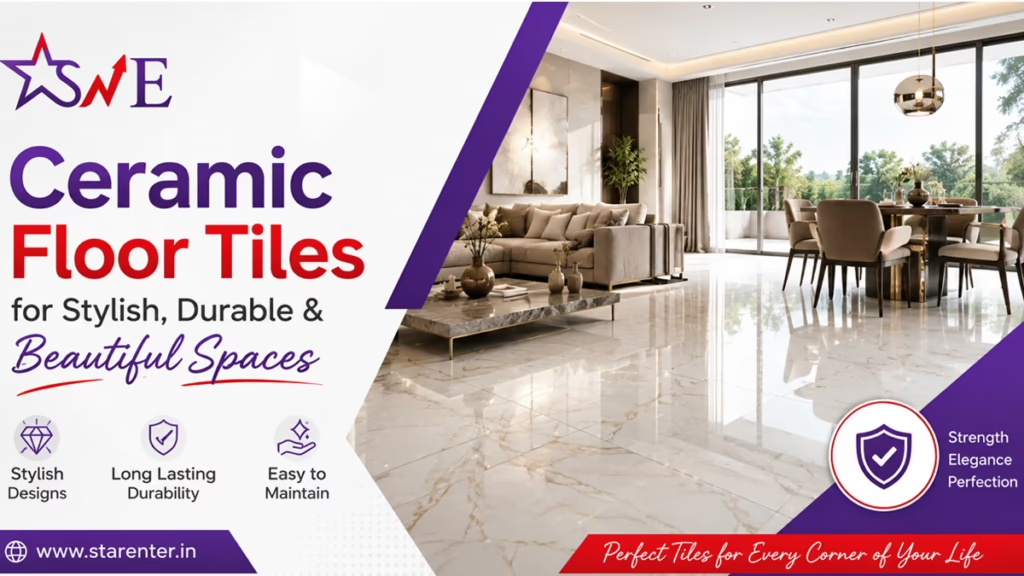
Ceramic Floor Tiles for Stylish, Durable & Beautiful Homes
Ceramic Floor Tiles for Modern Homes
Ceramic floor tiles are one of the most popular flooring choices for Indian homes, and it’s easy to see why. They combine a wide range of designs with practical, easy-care performance, making them suitable for almost every room in a home.
Homeowners choose ceramic floor tiles for their flexibility. You can find them in countless colours, patterns and finishes, from plain neutral tones to marble-look and wood-look designs. This makes it easier to match flooring to a specific style, whether that’s modern, traditional or somewhere in between.
Beyond appearance, ceramic floor tiles are valued for being genuinely practical. They’re straightforward to clean, hold up well to daily use, and work across living rooms, bedrooms, kitchens and other everyday spaces. If you’re planning a new home or a renovation project, ceramic floor tiles are worth exploring at the Star Enterprises showroom in Tambaram, where you can compare designs, sizes and finishes in person.
One thing worth understanding early: ceramic floor tiles are made from natural clay, pressed and fired, then finished with a printed and glazed top layer that provides the colour and pattern. That glaze is also what makes ceramic tiles so design-flexible — manufacturers can print almost any look onto it, which is part of why the category offers such a wide range compared with some other flooring materials.
Explore Ceramic Floor Tile Designs
Ceramic floor tile designs fall into a few broad styles, and knowing the difference helps narrow down what suits your space.
- Marble-look designs replicate the veining and depth of natural marble, offering a premium look without marble’s maintenance concerns.
- Stone-look designs bring a textured, natural feel, often used for a more rustic or earthy aesthetic.
- Wood-look designs give the warmth of timber flooring with the easier upkeep of tile.
- Plain and minimal designs use a single colour or subtle texture, working well as a versatile base that pairs with almost any interior style.
- Patterned and decorative designs add visual interest through geometric or traditional motifs, often used in smaller areas or as an accent.
The design you choose changes how a room feels. A patterned tile draws the eye and makes a strong statement, while a plain tile lets furniture and wall colours take the lead. Neither is better on its own — it depends on the look you want for that specific room.
It also helps to think about how a design will read across an entire floor rather than on a single sample tile. A bold pattern that looks appealing in isolation can feel busy once repeated across a whole living room, while the same pattern used sparingly — near an entryway, for instance — can work well as a defined accent. Viewing a larger sample area, rather than just one tile, gives a much better sense of the final effect.
Ceramic Floor Tile Sizes
Tile size has a real effect on how a floor looks and feels, not just on paper but once it’s actually laid.
Larger tiles mean fewer grout lines, which creates a cleaner, more spacious appearance. They tend to suit bigger rooms like living rooms and open-plan areas well. Smaller tiles offer more flexibility for compact or irregularly shaped rooms, since they need less cutting to fit around corners and fixtures.
Grout lines themselves affect the room’s visual continuity. Narrow, closely matched grout lines create a more seamless floor, while a contrasting grout colour highlights the individual tiles and grid pattern more distinctly.
Tile size also affects installation and cleaning. Larger tiles need a flatter, well-prepared sub-floor to sit correctly, while smaller tiles are generally easier to work with in tight spaces. Star Enterprises does not claim to stock every size across every design — current availability is best confirmed directly with the showroom for your specific project.
It’s also worth thinking about how tile size relates to room shape, not just room size. A large open living room can generally take a large-format tile without issue, but a smaller bathroom or an oddly shaped hallway often ends up with more visible cut tiles at the edges if the format is too large for the space. In these cases, a mid-size or smaller tile can actually give a cleaner, more finished result than an oversized one.
Ceramic Floor Tile Colours & Finishes
Colour and finish work together to set the character of a room.
Light colours, such as whites and pale neutrals, reflect more available light and can help a room feel more open, particularly useful in spaces with limited natural light. They also tend to show dust and footprints more visibly, so they need more regular sweeping to stay looking their best.
Dark colours add warmth and depth, and are often more forgiving of everyday marks between cleans. They can make a small room feel more enclosed, so they generally work best in larger spaces or balanced with lighter walls and furnishings.
Neutral and warm tones offer a practical middle ground, hiding both dust and scuffs reasonably well while still feeling bright and easy to coordinate with different furniture and wall colours over time.
Finish matters just as much as colour:
- Matte finishes hide footprints and minor scuffs well, and generally offer better grip underfoot.
- Glossy finishes reflect more light and brighten a room, though they show dust and marks more readily.
- Textured finishes add tactile depth and typically improve slip resistance, which matters more in certain rooms than others.
It’s worth remembering that lighting changes how a tile reads. A colour that looks neutral under bright showroom lighting can appear cooler or warmer under a room’s actual light — one more reason to view samples in the space they’ll actually be used.
Finish also affects how much upkeep a floor realistically needs. A glossy tile in a busy hallway will show scuffs and dust faster than the same colour in a matte finish, simply because of how light reflects off the surface. If low-maintenance flooring matters more to you than a high-shine look, it’s worth weighing that trade-off before choosing a finish rather than after the tiles are already down.
Where Can You Use Ceramic Floor Tiles?
Living Room
Living rooms usually see the most foot traffic in a home, so a durable, easy-to-clean tile matters here. Larger formats are a popular choice for an open, spacious look, and a broad range of designs makes it easy to match the room’s overall style.
Bedroom
Bedrooms see lighter daily traffic, which gives more freedom for softer tones and comfort-focused designs, including wood-look tiles that bring warmth underfoot without sacrificing easy maintenance.
Kitchen
Kitchen floors deal with spills, grease and constant use, so stain resistance and easy cleaning are priorities. A matte or low-gloss finish tends to be more forgiving of everyday marks in this kind of high-use space.
Bathroom
Bathrooms involve constant moisture, so slip resistance deserves specific attention. Not every ceramic floor tile is designed for wet-area use — for bathrooms, it’s important to choose a tile with appropriate anti-skid properties rather than assuming any finish will do. Our bathroom floor tiles range is worth exploring for options suited to this kind of application.
Why Choose Ceramic Floor Tiles?
Ceramic floor tiles remain a popular choice for genuine, practical reasons:
- Design variety: An extensive range of colours, patterns and styles to match almost any interior.
- Easy maintenance: Straightforward to sweep and mop as part of a normal cleaning routine.
- Wide aesthetic range: From plain and minimal to detailed marble-look and wood-look designs.
- Size flexibility: Available in a range of formats suited to different room sizes and layouts.
- Finish options: Matte, glossy and textured finishes to suit different rooms and preferences.
- Practical value: A well-established, widely available flooring option for most residential spaces.
Like any flooring material, ceramic tiles have trade-offs worth knowing. Their design sits in a glazed top layer, so a heavy chip can expose the base colour underneath — a fair trade for the wide design range and accessible pricing they offer.
Room traffic is worth weighing specifically when thinking about durability. A ceramic tile that performs perfectly well in a bedroom, with light, infrequent foot traffic, may show wear faster in a busy hallway or entryway that sees heavy daily use. Matching the tile’s finish and quality to how much traffic a room actually gets is one of the more useful, and often overlooked, parts of choosing flooring.
Ceramic vs Vitrified Tiles
Ceramic and vitrified tiles are both common flooring choices, but they’re made differently, which affects how they perform.
| Factor | Ceramic Tiles | Vitrified Tiles |
|---|---|---|
| Composition | Natural clay, fired at lower temperature | Clay fused with silica at high temperature |
| Water absorption | Higher | Lower |
| Density & strength | Moderate | Higher |
| Design range | Very wide, via glazed printing | Wide, with full-body options for extra durability |
| Best suited for | Bedrooms, living rooms, general use | High-traffic and higher-moisture areas |
| Typical budget | More accessible | Generally higher |
Neither tile is universally better. The right choice depends on the specific room, how much traffic it sees, how much moisture it’s exposed to, and your budget. For areas with heavier use or moisture, it’s worth comparing ceramic against our vitrified floor tiles range before deciding.
A practical way to think about it: ceramic tiles tend to suit bedrooms, living rooms and other everyday spaces well, offering strong design choice at an accessible price. Vitrified tiles are worth prioritising specifically where durability and moisture resistance matter more than design range — heavily used hallways, kitchens, or homes with a lot of daily foot traffic, for example. Many homeowners mix both across a single home, choosing whichever suits each room’s specific demands rather than picking one type for the whole house.
How to Choose the Right Ceramic Floor Tiles
A simple step-by-step approach makes the decision easier:
- Identify the room. Different rooms have different practical demands, from a bedroom’s light traffic to a kitchen’s spills and moisture.
- Consider traffic. Higher-traffic rooms benefit from more durable finishes and simpler, more forgiving designs.
- Choose the right finish. Matte for practicality, glossy for brightness, textured where grip matters.
- Select the size. Larger formats for open spaces, smaller formats for compact or detailed layouts.
- Select colour and design. Match the room’s light, furniture and overall style.
- Consider maintenance. Choose a finish that suits how much upkeep you’re realistically willing to do.
- Confirm quantity and budget. Measure the room and add an allowance for cutting and wastage before ordering.
- Check availability and installation requirements. Confirm stock and discuss installation needs with the Star Enterprises team before finalising your order.
It’s also worth ordering a little more than your exact measured area, since cutting tiles to fit around corners, doorways and fixtures always produces some wastage. Your supplier can advise on a sensible allowance for your specific room and layout, and ordering everything from the same batch helps avoid any visible colour inconsistency across the finished floor.
Ceramic Floor Tiles Price
Ceramic floor tile prices vary based on several factors, including tile size, design complexity, finish, brand, overall quality, and the quantity needed for your project. Current availability can also affect pricing at any given time.
Rather than relying on a fixed number that may not reflect current stock, it’s best to contact Star Enterprises directly for up-to-date pricing and availability based on your specific requirements.
Ceramic Floor Tiles in Tambaram
Homeowners around Tambaram and nearby Chennai neighbourhoods can compare ceramic floor tile designs, finishes and sizes before choosing the right flooring for their space. Seeing tiles in person makes a real difference — colour and finish can look different under a showroom’s lighting compared to a room’s actual light, and it’s hard to judge texture or quality from a photo alone.
At the Star Enterprises showroom in West Tambaram, you can compare ceramic floor tile designs side by side, check finishes and sizes directly, and talk through your specific room and project requirements with the team before making a decision.
This kind of in-person comparison tends to matter most for larger, whole-home projects, where getting the choice right the first time avoids the cost and disruption of replacing tiles later. Whether you’re flooring a single room or planning a full renovation, the showroom team can help you work through the practical trade-offs covered in this guide for your specific situation.
Why Choose Star Enterprises?
Star Enterprises offers a local showroom where you can explore ceramic floor tiles in person rather than choosing sight unseen. The team can help you compare designs, sizes and finishes, talk through what suits your specific room, and confirm current availability for your project.
If you’re comparing options for a new home or renovation, visiting the showroom gives you a clearer, more confident basis for choosing flooring that will suit your space for years to come.
Frequently Asked Questions
What are ceramic floor tiles?
Ceramic floor tiles are flooring tiles made from natural clay, fired and finished with a glazed surface layer that provides colour, pattern and a durable wearing surface.
Are ceramic floor tiles good for homes?
Yes, ceramic floor tiles are a popular and practical choice for many residential spaces, offering a wide range of designs along with easy day-to-day maintenance.
What sizes are available in ceramic floor tiles?
Ceramic floor tiles are available in a range of sizes, from smaller formats suited to compact spaces to larger formats for a more open, seamless look. Current size availability is best confirmed with the showroom.
Are ceramic floor tiles suitable for bathrooms?
Some are, but not all. For bathrooms, it’s important to choose a tile with suitable anti-skid properties rather than assuming any ceramic tile will do, given the constant moisture exposure in this room.
Are ceramic floor tiles easy to clean?
Generally yes. Routine sweeping and mopping with a mild cleaner is usually enough to keep ceramic floor tiles looking their best.
What is the difference between ceramic and vitrified tiles?
Vitrified tiles are fired at a higher temperature and fused with silica, giving them lower water absorption and greater density than ceramic tiles. Ceramic tiles offer a wider, more accessible design range at a generally lower price point.
How do I choose ceramic floor tile colours?
Consider the room’s natural light and existing furniture or fittings. Lighter shades tend to open up a space, while darker shades add warmth and hide everyday marks more easily.
What affects ceramic floor tile prices?
Size, design, finish, brand, quality and the quantity required all affect price, along with current availability. Contact Star Enterprises for up-to-date pricing.
Where can I buy ceramic floor tiles in Tambaram?
Star Enterprises’ showroom in West Tambaram carries a range of ceramic floor tile designs, sizes and finishes. Visit the showroom to compare options and get help choosing the right tile for your space.
If you are comparing ceramic floor tiles for your home or renovation project, Star Enterprises can help you explore suitable designs, sizes and finishes. Visit the showroom or contact the team to discuss your requirements and current availability.